


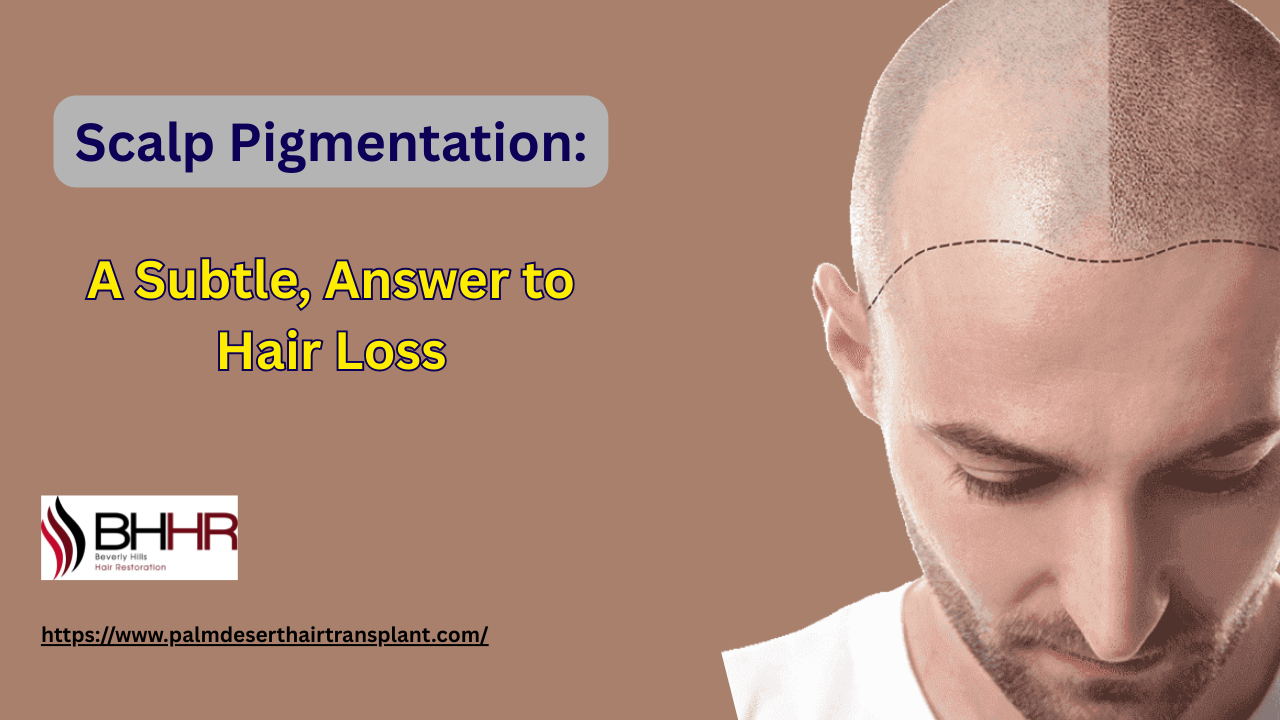
Hair loss often arrives quietly, but its effects can feel loud and personal. A little thinning here or a receding hairline there can slowly change how someone sees themselves in the mirror. While there are many approaches to addressing hair loss, not everyone wants surgery, medications, or long-term upkeep. This is why scalp pigmentation has become an increasingly discussed option among people looking for a practical, appearance-focused solution. Rather than trying to regrow hair, this technique works by improving how the scalp looks, helping reduce contrast and create the illusion of fuller hair. It’s a method rooted in precision and realism, not quick fixes or exaggerated promises. In this article, we’ll explore how this approach works, who it’s for, and why it continues to gain trust as a thoughtful way to restore confidence without unnecessary complexity.
What Is Scalp Pigmentation?
Scalp pigmentation is a non-surgical cosmetic procedure designed to replicate the appearance of natural hair follicles. It involves placing tiny pigment impressions into the upper layers of the scalp, carefully matched to an individual’s natural hair color and skin tone. The goal is not to create hair, but to create the look of density.
Unlike traditional tattooing, the tools and pigments used are specifically formulated for the scalp. This ensures a softer, more realistic finish that blends naturally with existing hair. When done properly, scalp pigmentation doesn’t draw attention to itself. Instead, it subtly enhances the overall appearance of the scalp, making thinning or bald areas far less noticeable.
Why Appearance-Based Solutions Matter
For many people, hair loss isn’t just about hair—it’s about confidence. Solutions that focus on appearance can be empowering because they deliver visible results without altering the body in invasive ways. Scalp pigmentation fits into this category by offering immediate visual improvement once sessions are complete.
This approach appeals to individuals who prefer simplicity. There’s no daily routine to follow, no products to apply, and no long recovery period. The results are consistent and predictable, which can be reassuring for those who feel overwhelmed by more complex hair restoration options.
How the Process Typically Works
The journey usually begins with a consultation. This step allows the practitioner to understand hair loss patterns, scalp condition, and aesthetic goals. Hairline shape, density level, and pigment tone are planned carefully to ensure a natural-looking result that ages well.
Scalp pigmentation is completed over multiple sessions, each one adding layers of pigment. This gradual approach helps build depth and realism while avoiding an overly dark or artificial look. Most people find the sessions comfortable and are able to return to normal activities shortly afterward.
Aftercare is straightforward and focuses on protecting the scalp while the pigment settles. Over time, the pigment softens slightly, which actually enhances the natural appearance rather than diminishing it.
Who Can Benefit From This Technique?
This treatment is suitable for a wide range of people. Men and women experiencing thinning hair, receding hairlines, or bald patches often find it helpful. It’s also commonly used to camouflage scars from previous hair transplant procedures or injuries.
People who prefer a clean, closely shaved look are especially good candidates, as scalp pigmentation enhances the appearance of uniform density across the scalp. Even those who are not candidates for surgical hair restoration can benefit, since this method doesn’t rely on hair follicles or donor areas.
What Makes the Results Look Natural
Natural results come down to precision and experience. Each pigment impression must be placed at the correct depth and spacing to mimic real hair follicles. Color selection is equally important, as pigments are chosen to complement skin tone and fade evenly over time.
Lighting can reveal poorly executed work, which is why professional technique matters so much. When done correctly, scalp pigmentation looks consistent in indoor lighting, sunlight, and close-up situations. The effect is subtle, refined, and believable.
Clearing Up Common Misconceptions
One common misunderstanding is that this procedure stimulates hair growth. It doesn’t. Scalp pigmentation enhances appearance, not biology. Another misconception is that it’s completely permanent. While long-lasting, the pigment is designed to fade gradually, allowing for adjustments in the future.
Some people worry the result will look obvious or artificial. In reality, when performed by trained professionals, the outcome is discreet. Most people simply notice that the scalp looks fuller and more balanced, without being able to pinpoint why.
The Importance of Choosing Experience
Because this procedure blends technical skill with artistic judgment, choosing an experienced provider is essential. Clinics with a strong background in hair restoration often have a deeper understanding of natural hairlines and density patterns.
This is why practices like Beverly Hills Hair Transplant in Palm Desert are associated with refined outcomes, as their broader experience with hair restoration helps inform a more balanced and realistic approach to scalp pigmentation.
How It Fits Into a Long-Term Hair Strategy
Scalp pigmentation can stand alone or complement other hair restoration methods. Some people choose it as their primary solution, while others use it to enhance the results of previous treatments. Its flexibility makes it a valuable option for long-term planning.
Because the maintenance requirements are minimal, many find it easier to live with compared to treatments that demand ongoing time and expense. This simplicity is a key reason why scalp pigmentation continues to gain popularity.
Conclusion: Confidence Through Thoughtful Design
Hair loss doesn’t have to dictate how someone feels about themselves. Scalp pigmentation offers a balanced, modern solution for those who want visible improvement without surgery or daily maintenance. By focusing on appearance and realism, it delivers results that feel natural and empowering.
Understanding the process, benefits, and limitations helps set realistic expectations. When approached with care and expertise, scalp pigmentation can quietly restore confidence and help people feel more comfortable in their own skin. It’s a reminder that sometimes, subtle changes can make the most meaningful difference in how we see ourselves every day.

 English
 Arabic
 French
 Spanish
 Portuguese
 Deutsch
 Dutch
Dutch
 Italiano
 Russian
 Romaian
 Portuguese (Brazil)
 Greek
Greek