


Most people try their best to avoid losing a tooth. But sometimes, despite good brushing habits and regular dental visits, a tooth becomes too damaged or painful to save. That’s when teeth extraction may become the best option.
The idea of having a tooth removed can sound scary at first. Many people imagine pain, swelling, or a long recovery. In reality, modern dental extraction procedures are quicker, safer, and more comfortable than ever before.
Whether you’re dealing with wisdom tooth pain, severe decay, or overcrowding before braces, this guide will walk you through everything you need to know about teeth extraction.
What Is Teeth Extraction?
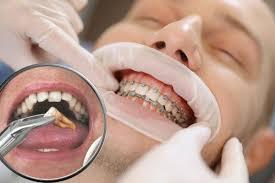
Teeth extraction is a dental procedure where a tooth is removed from its socket in the jawbone.
Dentists usually try to save natural teeth whenever possible. However, extraction may be necessary if the tooth is badly damaged, infected, or causing other dental problems.
There are two main types of extraction:
-
Simple extraction – for visible teeth that can be removed easily
-
Surgical extraction – for impacted, broken, or difficult-to-remove teeth
Common Reasons for Teeth Extraction
There are several reasons why a dentist may recommend removing a tooth.
Severe Tooth Decay
If a cavity spreads too deeply and damages the tooth beyond repair, extraction may be the safest option.
Impacted Wisdom Teeth
Wisdom teeth often become trapped under the gums or grow sideways.
This can lead to:
-
Pain
-
Swelling
-
Infection
-
Pressure on nearby teeth
Gum Disease
Advanced gum disease can weaken the bone and tissues supporting the teeth.
Loose teeth may eventually need removal.
Overcrowding
Orthodontists sometimes recommend extractions before braces to create space for proper alignment.
Broken or Cracked Teeth
Some teeth become too damaged to repair with fillings or crowns.
Signs You May Need a Tooth Extraction
Some dental problems should never be ignored.
You may need a dental evaluation if you experience:
-
Persistent tooth pain
-
Swollen gums
-
Difficulty chewing
-
Loose teeth
-
Repeated infections
-
Jaw discomfort
-
Impacted wisdom teeth
Early treatment often prevents more serious complications later.
What Happens During Teeth Extraction?
Many patients are surprised by how straightforward the procedure actually is.
Step 1: Examination and X-Rays
Your dentist examines the tooth and takes X-rays to check the roots and surrounding bone.
Step 2: Local Anesthesia
The area around the tooth is numbed to prevent pain during the procedure.
Some patients may also receive sedation for relaxation.
Step 3: Tooth Removal
For simple extractions, the dentist loosens and removes the tooth using special tools.
Surgical extractions may involve:
-
Small gum incisions
-
Bone removal
-
Stitches
Step 4: Recovery Instructions
After the extraction, you’ll receive instructions about healing, pain management, and oral care.
Is Teeth Extraction Painful?
This is one of the most common concerns.
The procedure itself is usually not painful because the area is fully numbed. You may feel pressure, but sharp pain is uncommon.
Afterward, mild discomfort and swelling are normal for a few days.
Most patients manage recovery with:
-
Ice packs
-
Pain medication
-
Rest
-
Soft foods
Interestingly, many people say the toothache before extraction was far worse than the procedure itself.
Recovery After Teeth Extraction
Healing time depends on the type of extraction and your overall health.
Most people recover within a few days to two weeks.
Common Recovery Symptoms
You may notice:
-
Mild swelling
-
Tenderness
-
Minor bleeding
-
Jaw stiffness
These symptoms usually improve gradually.
Tips for Faster Healing
Rest for the First 24 Hours
Avoid heavy lifting and strenuous exercise immediately after extraction.
Eat Soft Foods
Good choices include:
-
Yogurt
-
Soup
-
Smoothies
-
Mashed potatoes
-
Scrambled eggs
Avoid crunchy or spicy foods during healing.
Avoid Smoking and Straws
Smoking and suction can dislodge the blood clot and lead to dry socket.
Keep the Area Clean
Follow your dentist’s cleaning instructions carefully to prevent infection.
Possible Risks and Complications
Teeth extraction is generally safe, but every procedure carries some risk.
Potential complications include:
-
Dry socket
-
Infection
-
Bleeding
-
Swelling
-
Temporary numbness
Choosing an experienced dentist lowers these risks significantly.
How Much Does Teeth Extraction Cost?
The cost depends on the complexity of the procedure and location.
Average Cost Estimates
| Procedure | Estimated Cost |
| Simple extraction | $100–$300 |
| Surgical extraction | $150–$600 |
| Wisdom tooth removal | $250–$600 |
| Sedation | $100–$500 |
Dental insurance may cover part of the treatment if medically necessary.
Benefits of Teeth Extraction
Although losing a tooth may sound unpleasant, extraction can improve oral health and comfort.
Benefits often include:
-
Relief from pain
-
Reduced infection risk
-
Better oral hygiene
-
Protection for nearby teeth
-
Easier orthodontic treatment
Sometimes removing one problematic tooth can prevent much bigger issues later.
Internal Linking Suggestions
You can also read:
-
“How to Recover Faster After Tooth Extraction”
-
“Best Foods to Eat After Oral Surgery”
-
“Signs Your Wisdom Teeth Need Removal”
-
“Dry Socket: Symptoms and Prevention”
Recommended External Authority Sources
For trusted dental information, readers can explore:
-
American Dental Association (ADA)
-
Mayo Clinic
Conclusion
Teeth extraction may sound intimidating, but it’s often the best solution for relieving pain, preventing infection, and protecting long-term oral health. Modern dental techniques make the procedure far more comfortable and efficient than many people expect.
The key is not to delay treatment out of fear. Small dental problems can quickly become larger and more expensive issues if ignored.
With proper aftercare and guidance from an experienced dentist, most patients recover smoothly and return to normal life within days.
FAQs
How long does teeth extraction take?
Most simple extractions take around 20–40 minutes, while surgical extractions may take longer.
Can I eat after a tooth extraction?
Yes, but soft foods are recommended during the first few days of recovery.
What is a dry socket?
Dry socket occurs when the blood clot protecting the extraction site becomes dislodged, exposing the bone underneath.
How long does swelling last after extraction?
Swelling usually peaks within 48 hours and improves gradually over the next few days.
Can I brush my teeth after extraction?
Yes, but avoid brushing directly over the extraction site during early healing.

 English
 Arabic
 French
 Spanish
 Portuguese
 Deutsch
 Turkish
 Dutch
Dutch
 Italiano
 Russian
 Portuguese (Brazil)
 Greek
Greek