


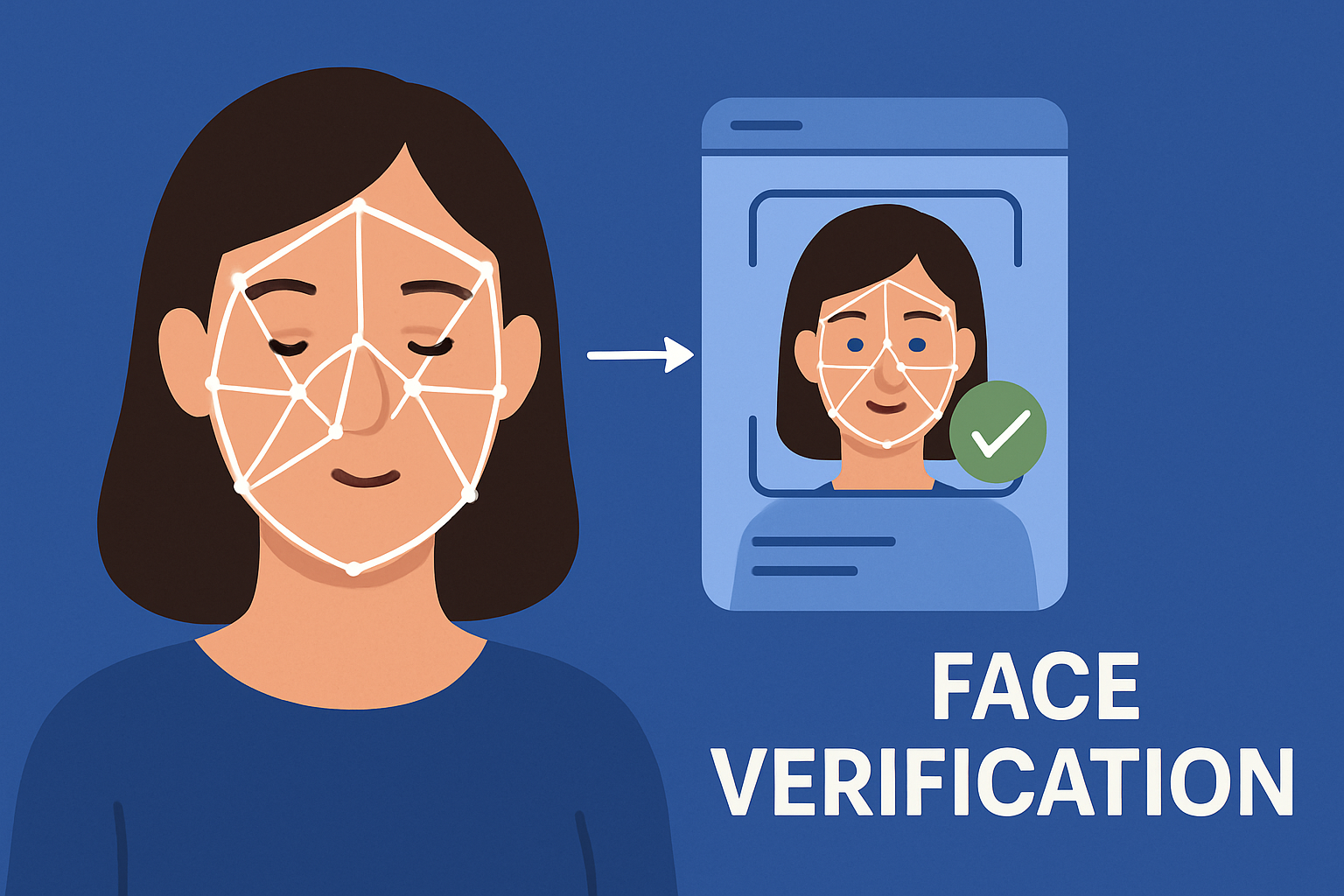
In today’s digital world, businesses are rapidly moving toward secure and seamless identity verification systems. From banking and fintech to healthcare and telecom, organizations need reliable methods to prevent fraud while delivering a smooth customer experience. This is where NFC verification and Face Liveness Detection API technology are transforming the identity verification landscape.
Modern users expect instant onboarding and secure authentication without visiting physical branches. By combining Near Field Communication (NFC) technology with advanced facial liveness detection, companies can create a powerful and fraud-resistant digital KYC process.
What is NFC Verification?
NFC verification is a secure identity verification method that reads encrypted information stored inside NFC-enabled identity documents such as passports, national ID cards, and residence permits. Using a smartphone with NFC capability, users can scan their documents directly within a mobile application.
This process extracts authentic data directly from the chip embedded in the document, making it highly secure and difficult to manipulate. NFC verification helps businesses validate whether the ID document is genuine and untampered.
Key benefits of NFC verification include:
- Faster customer onboarding
- Improved identity accuracy
- Reduced document fraud
- Secure encrypted data extraction
- Better compliance with KYC and AML regulations
Industries such as banking, fintech, cryptocurrency, and travel are increasingly adopting NFC verification for secure remote customer onboarding.
Understanding Face Liveness Detection API
A Face Liveness Detection API is an advanced biometric security solution designed to determine whether the person in front of the camera is physically present and real. It helps prevent spoofing attacks using printed photos, videos, masks, or deepfake technology.
Unlike traditional face recognition systems, liveness detection verifies human presence through AI-powered analysis of facial movements, depth, texture, and behavioral patterns.
There are two major types of liveness detection:
Active Liveness Detection
Users may be asked to blink, smile, or move their head to confirm live presence.
Passive Liveness Detection
The system automatically analyzes the face in real time without requiring user interaction.
A robust Face Liveness Detection API provides:
- Real-time identity verification
- Deepfake prevention
- Anti-spoofing protection
- Enhanced biometric authentication
- Frictionless user experience
Why Combining NFC Verification and Face Liveness Detection Matters
The combination of NFC verification and facial liveness detection creates a highly secure digital identity ecosystem. NFC verifies the authenticity of the identity document, while liveness detection confirms the physical presence of the document holder.
This dual-layer verification significantly reduces identity fraud and account takeover risks.
Businesses using both technologies can achieve:
- Stronger fraud prevention
- Secure remote onboarding
- Regulatory compliance
- Improved customer trust
- Faster digital verification workflows
Final Thoughts
As cyber threats and identity fraud continue to rise, businesses must adopt smarter verification technologies. NFC verification and Face Liveness Detection API solutions offer a secure, scalable, and user-friendly approach to digital identity verification.
Organizations looking to enhance customer onboarding, strengthen compliance, and prevent fraud should invest in AI-powered identity verification systems that combine biometric security with NFC-based authentication. These technologies are becoming essential for building trust in today’s digital-first economy.

 English
 Arabic
 French
 Spanish
 Portuguese
 Turkish
 Dutch
Dutch
 Italiano
 Russian
 Romaian
 Portuguese (Brazil)
 Greek
Greek