


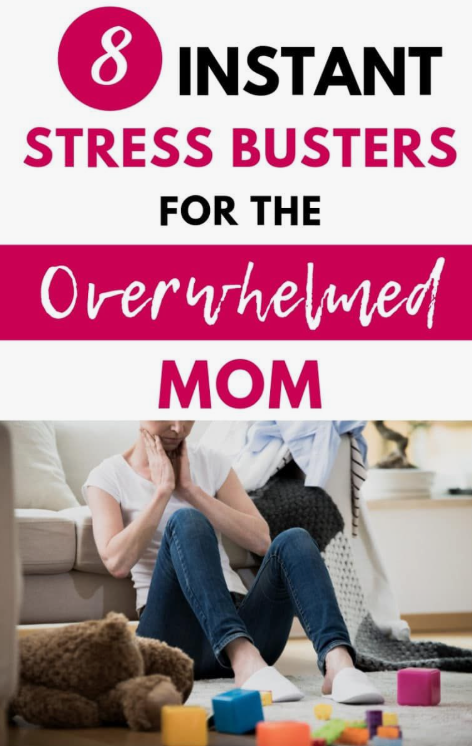
Motherhood can be deeply meaningful, but it can also feel relentless. Between caregiving, managing a household, emotional labor, work responsibilities, and the constant mental checklist running in the background, many mothers reach a point where they feel completely overwhelmed. This isn’t a personal failure—it’s often a sign of mom burnout, a very real form of chronic stress and exhaustion.
If you’ve been searching for how to stop feeling overwhelmed as a mom, or wondering whether what you’re experiencing is more than just “being tired,” understanding mom burnout signs and recovery can help you regain clarity, energy, and emotional balance.
Understanding Why Moms Feel So Overwhelmed
Feeling overwhelmed as a mom usually comes from carrying too much responsibility for too long without enough support or rest. Modern motherhood often includes:
- Constant multitasking and mental load management
- Pressure to be a “perfect” parent
- Lack of uninterrupted rest or personal time
- Emotional caregiving for children, partner, and sometimes extended family
- Work-life imbalance (for working moms especially)
- Social comparison through social media
When these pressures accumulate, the nervous system stays in a heightened state of stress. Over time, this can lead to emotional exhaustion, irritability, detachment, and burnout.
Mom Burnout Signs You Should Not Ignore
Recognizing mom burnout signs and recovery needs early is essential. Burnout doesn’t appear overnight—it builds gradually. Many mothers ignore the symptoms until they become overwhelming.
1. Constant Exhaustion
Even after sleeping, you still feel tired. This isn’t just physical fatigue—it’s emotional and mental depletion.
2. Emotional Numbness or Irritability
You may feel detached from your kids or easily irritated by small things that normally wouldn’t bother you.
3. Loss of Joy in Parenting
Activities you once enjoyed with your children now feel like obligations instead of meaningful moments.
4. Feeling “Stuck” or Trapped
You may feel like there is no way out of your routine or responsibilities, even if you love your family deeply.
5. Brain Fog and Forgetfulness
Burnout affects concentration and memory, making even simple tasks feel difficult.
6. Increased Anxiety or Overthinking
You may constantly worry about whether you’re doing enough or making the right decisions.
7. Physical Symptoms
Headaches, muscle tension, digestive issues, and frequent illness can all be stress-related.
If several of these symptoms feel familiar, it’s not a sign that you are failing—it’s a sign that your mind and body need recovery.
How to Stop Feeling Overwhelmed as a Mom
Learning how to stop feeling overwhelmed as a mom is not about doing everything perfectly. It’s about reducing pressure, creating support systems, and rebuilding your emotional capacity.
Here are practical and realistic strategies that can help.
1. Reduce the Mental Load (Not Just the Physical Tasks)
Many moms are not just doing tasks—they are remembering, planning, and organizing everything. This invisible labor is exhausting.
Try this:
- Write everything down instead of keeping it in your head
- Delegate tasks to your partner or older children
- Use shared calendars or planning apps
- Let go of unnecessary perfection in daily routines
The goal is not to do more—it’s to think less about everything at once.
2. Lower Your Standards Where It Matters
One of the biggest contributors to burnout is unrealistic expectations. A clean house, perfectly homemade meals, and perfectly behaved children are not realistic daily standards.
Ask yourself:
- “Does this actually need to be done today?”
- “Will this matter in a week or a month?”
Sometimes “good enough” is more than enough.
3. Create Small Daily Recovery Moments
Recovery doesn’t always require long breaks. Even 5–10 minutes of intentional rest can reset your nervous system.
Examples:
- Sitting alone with coffee without multitasking
- A short walk outside
- Listening to music or a podcast
- Deep breathing without distractions
Consistency matters more than duration.
4. Ask for Help Without Guilt
Many moms feel they must handle everything alone. But isolation accelerates burnout.
Support can look like:
- Asking your partner to take over bedtime routines
- Hiring help when possible (cleaning, childcare, meal prep)
- Accepting help from family or friends
- Joining a mom support group
You are not supposed to do this alone.
5. Set Emotional Boundaries
Burnout often happens when emotional boundaries are weak. This means constantly absorbing everyone else’s needs while ignoring your own.
Try:
- Saying “not right now” without explaining too much
- Limiting exposure to draining conversations or social media
- Allowing yourself to step away when overwhelmed
Boundaries are not selfish—they are stabilizing.
6. Reconnect With Yourself Outside of Motherhood
One of the most overlooked parts of mom burnout signs and recovery is identity loss. Many moms stop doing things that make them feel like themselves.
Ask:
- What did I enjoy before becoming a mom?
- What makes me feel like me—not just a caregiver?
Even small actions matter:
- Reading
- Creative hobbies
- Exercise
- Learning something new
You are still a whole person beyond motherhood.
7. Support Your Nervous System
Chronic stress keeps your body in survival mode. Helping your nervous system regulate is key to recovery.
Helpful tools include:
- Deep breathing techniques
- Gentle movement like stretching or yoga
- Better sleep routines when possible
- Reducing caffeine if anxiety is high
- Spending time in nature
These practices signal safety to your body.
8. Let Go of the “Perfect Mom” Identity
A major root of burnout is the pressure to be everything at once: patient, organized, nurturing, productive, and always available.
Reality check:
No one can sustain that level of performance without burning out.
A healthier mindset is:
- “I am a good mom, even when I’m not perfect.”
- “My value is not based on productivity.”
Mom Burnout Recovery Takes Time
Recovery is not instant. It’s a gradual process of rebuilding energy, emotional balance, and support systems. Some days will feel better than others.
You may notice progress like:
- More patience with your children
- Better sleep quality
- Less emotional reactivity
- Increased motivation
- Moments of joy returning
These small shifts matter.
Final Thoughts
If you’ve been searching for how to stop feeling overwhelmed as a mom, the most important truth is this: overwhelm is not your identity—it is a signal. It means your current load is greater than your current capacity, and something needs to shift.
Understanding mom burnout signs and recovery is the first step toward changing that cycle. You don’t need to do everything alone, and you don’t need to push through exhaustion to prove you’re doing a good job.
A more supported, calmer version of motherhood is possible—not by doing more, but by carrying less.

 English
 Arabic
 French
 Spanish
 Portuguese
 Deutsch
 Turkish
 Dutch
Dutch
 Italiano
 Russian
 Romaian
 Greek
Greek