


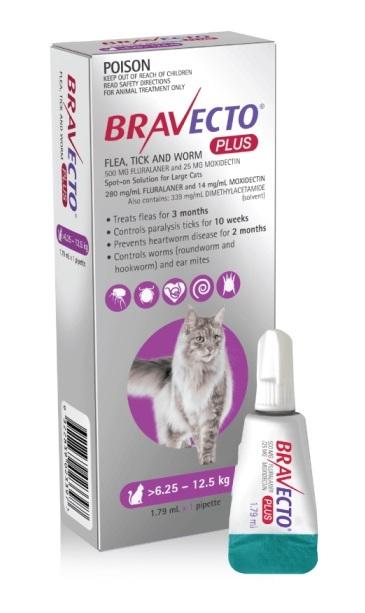
Cats are known for their independence, but they still rely on proper preventive care to maintain their health and well-being. Among the many topics discussed in feline healthcare, Bravecto for cats is frequently associated with flea and tick prevention. As parasites continue to affect pets across the United States, cat owners often seek information about available preventive options and how they contribute to overall feline wellness.
Fleas and ticks can create a variety of health concerns for cats, regardless of whether they live primarily indoors or outdoors. Understanding the role of preventive treatments and the importance of parasite control can help cat owners make informed decisions regarding long-term pet care.
Why Parasite Prevention Is Important for Cats
Parasites are more than just a nuisance. Fleas and ticks can negatively impact a cat’s health and comfort, sometimes leading to more serious complications if left untreated.
Fleas are among the most common external parasites found on cats. They feed on blood and can multiply rapidly, creating infestations that affect both pets and household environments. Ticks, while less common in some regions, can also pose health risks through their feeding habits and potential disease transmission.
Because these parasites are widespread in many parts of the United States, veterinarians often emphasize the importance of year-round preventive care.
What Is Bravecto for Cats?
Bravecto for cats is a veterinary treatment designed to help protect cats from fleas and ticks. It is commonly included in preventive healthcare programs aimed at reducing parasite infestations and supporting overall feline health.
The treatment works by targeting parasites after they come into contact with a treated cat. Once fleas or ticks are exposed to the active ingredient, their nervous system is affected, leading to their elimination. This process helps interrupt the parasite life cycle and reduce the likelihood of ongoing infestations.
Veterinary professionals may recommend this type of treatment based on a cat’s age, health condition, environment, and potential exposure to parasites.
Common Problems Caused by Fleas in Cats
Fleas can cause a range of issues that affect a cat’s quality of life. Understanding these concerns highlights the importance of preventive measures.
Persistent Itching and Irritation
One of the most noticeable signs of a flea problem is excessive scratching. Cats may groom themselves repeatedly, bite at affected areas, or display signs of discomfort.
Constant scratching can lead to skin irritation and, in some cases, secondary infections caused by damaged skin.
Flea Allergy Dermatitis
Some cats are highly sensitive to flea saliva. Even a small number of flea bites can trigger significant allergic reactions, resulting in inflammation, itching, and hair loss.
This condition can become particularly uncomfortable if the infestation is not addressed promptly.
Anemia
Severe flea infestations may contribute to blood loss, especially in kittens or cats with weakened health. In extreme situations, this can lead to anemia, a condition that requires veterinary attention.
Household Infestations
Fleas reproduce rapidly. Eggs may fall from a cat's coat into carpets, furniture, and bedding, making it possible for infestations to spread throughout the home environment.
Tick-Related Risks for Cats
Although ticks are often discussed in relation to dogs, they can also affect cats. Outdoor cats are especially vulnerable to tick exposure when exploring wooded areas, tall grass, or natural habitats.
Ticks attach themselves to a cat's skin and feed on blood. During this process, they may transmit pathogens that contribute to illness. While disease transmission in cats is less frequently discussed than in dogs, veterinary professionals still recommend preventive measures to reduce tick exposure.
Regular tick checks and preventive treatments are commonly recommended for cats that spend time outdoors.
Indoor Cats and Parasite Exposure
Many cat owners assume that indoor cats are not at risk of flea or tick infestations. However, parasites can enter homes through several routes.
Fleas may be carried indoors on clothing, shoes, or other pets. Ticks can also be brought inside after outdoor activities. Once introduced into the household, parasites can find opportunities to attach to indoor cats.
For this reason, preventive care discussions often include both indoor and outdoor cats, depending on individual circumstances and local parasite activity.
Factors That Influence Preventive Care Decisions
Veterinarians typically evaluate several factors when discussing flea and tick prevention.
Geographic Location
Climate and environmental conditions influence parasite populations. Warm and humid regions often experience higher flea activity throughout the year.
Certain areas also have larger tick populations, increasing the likelihood of exposure for outdoor pets.
Lifestyle
Cats that spend time outdoors generally face greater risks from parasites. Hunting, roaming, and interacting with wildlife can increase exposure to fleas and ticks.
However, indoor cats may still require preventive care depending on household circumstances.
Health Status
Age, weight, and medical history can all influence preventive treatment decisions. Kittens, senior cats, and cats with underlying health conditions may require individualized care plans.
Monitoring Cats for Signs of Parasites
Routine observation plays an important role in maintaining feline health. Cat owners are encouraged to watch for symptoms that may indicate parasite activity.
Common signs include:
- Excessive scratching or grooming
- Hair loss
- Skin irritation
- Visible fleas or flea dirt
- Tick attachment
- Restlessness or discomfort
Early detection can help prevent more significant infestations and reduce the likelihood of complications.
Supporting Long-Term Feline Wellness
Bravecto for cats is often discussed within the broader context of preventive healthcare. While parasite control is a key focus, overall feline wellness also involves routine veterinary visits, balanced nutrition, environmental enrichment, and regular monitoring.
Combining preventive measures with good household hygiene can contribute to a healthier environment for both pets and their owners. Vacuuming, washing pet bedding, and inspecting cats regularly are common practices that support parasite management efforts.
Conclusion
Bravecto for cats is a widely recognized option in discussions about flea and tick prevention. By targeting common external parasites, it plays a role in helping cats avoid the discomfort and health concerns associated with infestations.
Understanding the risks posed by fleas and ticks, recognizing signs of parasite activity, and maintaining consistent preventive care are important aspects of responsible cat ownership. Through informed decision-making and regular veterinary guidance, cat owners can support the long-term health and comfort of their feline companions.

 English
 French
 Spanish
 Portuguese
 Deutsch
 Turkish
 Dutch
Dutch
 Italiano
 Russian
 Romaian
 Portuguese (Brazil)
 Greek
Greek