


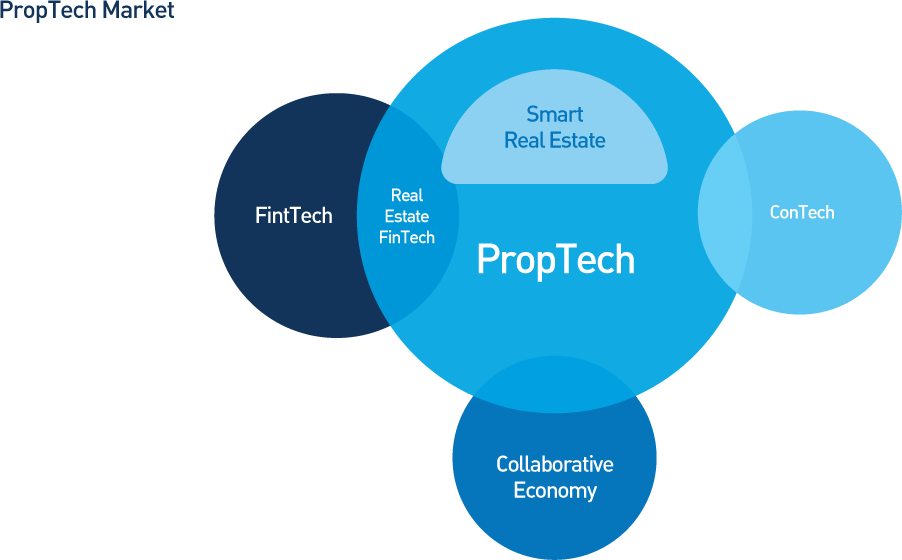
To fully comprehend the vast and varied Proptech landscape, a structured analysis that dissects the market into its core segments is essential for any stakeholder. A comprehensive Proptech Market Analysis often begins by segmenting the industry by the type of property it serves, which is primarily divided into residential and commercial real estate. The residential Proptech segment is the one most consumers are familiar with. It is dominated by large online listing platforms and marketplaces like Zillow and Realtor.com, which have revolutionized how people search for homes to buy or rent. This segment also includes innovative transaction models like "iBuying" (instant buying), pioneered by companies like Opendoor, where a company uses an algorithm to make an instant cash offer on a home. It also covers a wide range of tools for homeowners and renters, from digital mortgage lenders and online closing services to smart home devices and apps for managing a rental property. This segment is characterized by a high volume of transactions and a focus on the consumer experience.
The Commercial Real Estate (CRE) Tech Segment
The Commercial Real Estate (CRE) Tech segment is a vast and complex market focused on properties used for business purposes, such as office buildings, retail centers, industrial warehouses, and hotels. The analysis of this segment reveals a strong focus on operational efficiency and asset value enhancement. A major part of CRE Tech is property management software from established players like Yardi and AppFolio, as well as a host of newer startups. These platforms help owners manage leasing, accounting, and operations. Another key area is building operations and smart building technology. This includes everything from modern Building Management Systems (BMS) and IoT sensors for energy efficiency, to the tenant experience platforms that are becoming crucial for attracting and retaining tenants in the competitive office market. The CRE Tech segment also includes powerful data and analytics platforms, like those offered by the CoStar Group, which provide brokers, investors, and lenders with the critical market data they need to make informed decisions.
The Contech and Shared Economy Segments
Two other important segments that are often analyzed as part of the broader Proptech market are Contech and the Shared Economy. Contech, or Construction Technology, focuses on bringing digital innovation to the design, planning, and construction phases of the property lifecycle. This is a massive segment in its own right and includes solutions like Building Information Modeling (BIM) software, which creates intelligent 3D models of buildings; project management software for coordinating complex construction projects; drones for site surveying and progress monitoring; and innovative construction methods like prefabrication and 3D printing. The Shared Economy segment is focused on business models that optimize the use of space. This is famously represented by the co-working industry, led by companies like WeWork, which use technology to manage flexible office spaces. It also includes the co-living sector, which provides furnished, shared housing with a community focus, and platforms that help landlords manage short-term rentals.
Analysis by Technology Type
Finally, a meaningful market analysis requires looking at the specific technologies that are enabling the Proptech revolution. Artificial Intelligence (AI) and Machine Learning (ML) are a critical technology segment, powering everything from property valuation models to predictive maintenance systems. The Internet of Things (IoT) is the core technology behind smart buildings, encompassing the vast network of sensors, smart locks, cameras, and thermostats that collect data and allow for remote control of building systems. Immersive technologies like Virtual Reality (VR) and Augmented Reality (AR) are another key segment, being used for virtual property tours, architectural visualization, and to help consumers "see" furniture in their homes before buying. Blockchain technology, while still in its early stages of adoption, holds immense promise for the future of the market, particularly for creating more secure and transparent land registries and for enabling the tokenization of real estate assets. Understanding the maturity and adoption rate of each of these core technologies is key to understanding the future direction of the market.
Explore More Like This in Our Regional Reports:
2D And 3D Machine Vision System Market

 English
 Arabic
 French
 Spanish
 Portuguese
 Turkish
 Dutch
Dutch
 Italiano
 Russian
 Romaian
 Portuguese (Brazil)
 Greek
Greek