


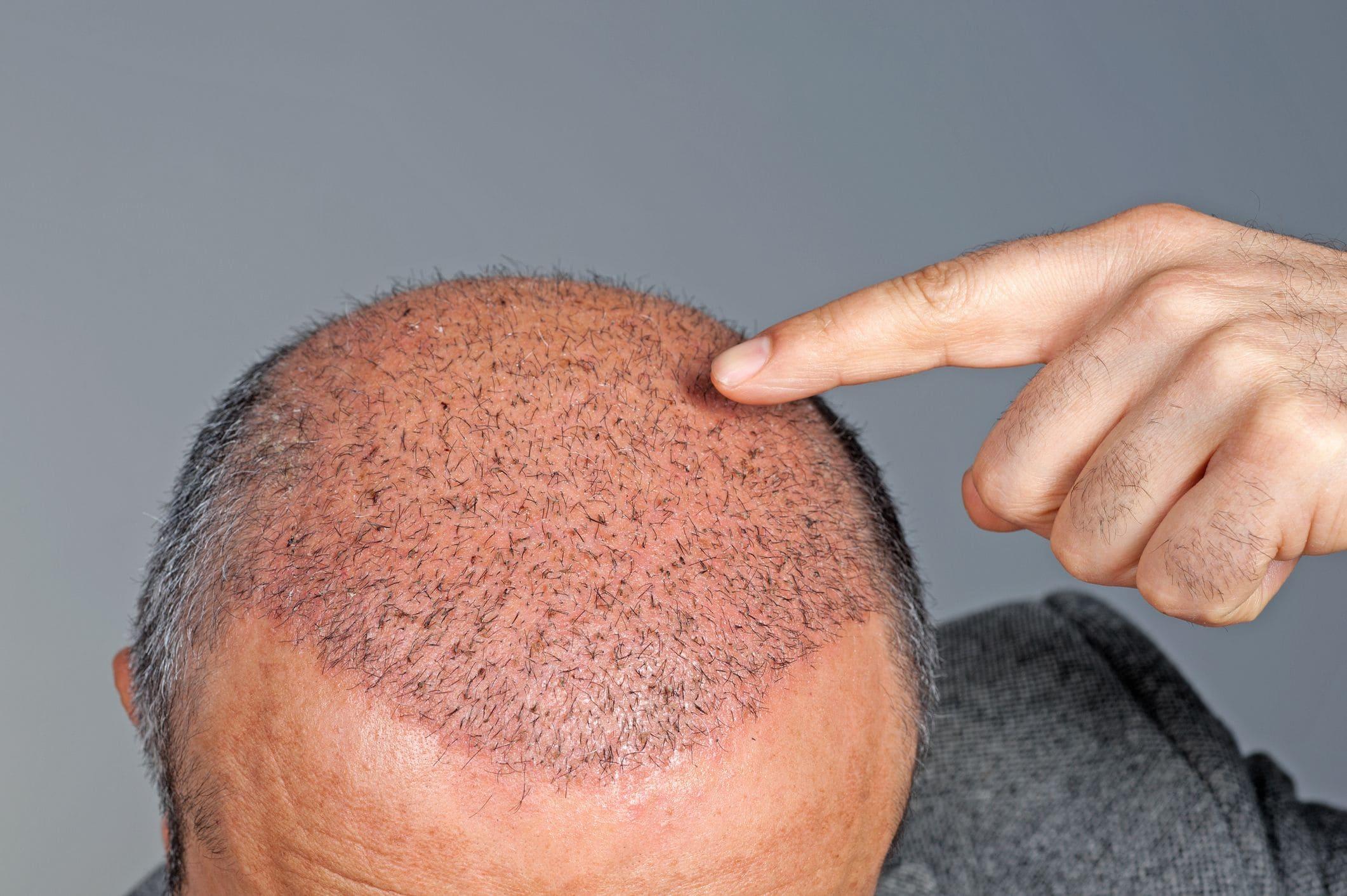
If you have been researching hair loss treatments, you have probably come across the term "hair graft" many times. But what does it actually mean, and why does it matter so much when choosing a Hair Transplant Surgeon in Gurgaon? Understanding this simple concept can help you make a more informed decision about your hair restoration journey. Dr. Shilpi Bhadani at SB Trichology Clinic often explains this to patients during their first visit, as it forms the base of how hair transplants actually work.
Understanding a Hair Graft
A hair graft is a small unit of skin that contains one or more hair follicles, along with the surrounding tissue, oil glands, and blood supply needed to keep the hair alive. When a surgeon performs a hair transplant, they are not just moving loose hair strands. They are moving these complete grafts from one part of the scalp, usually the back or sides, to areas where hair is thinning or balding.
Each graft can contain anywhere from one to four hairs. The number of hairs in a graft depends on the person's natural hair growth pattern, and this varies from patient to patient. A skilled surgeon studies these patterns carefully before planning the transplant, since placing the right type of graft in the right spot makes a big difference in how natural the final result looks.
Why Grafts Matter So Much?
The quality and handling of grafts play a major role in the success of any hair transplant. If grafts are handled poorly during extraction or get damaged before placement, they may not survive, which affects the final density and appearance of hair growth. This is why choosing an experienced doctor matters more than just picking any clinic nearby.
At a good Hair Transplant Clinic in Gurgaon, doctors and their teams follow strict processes to keep grafts healthy from the moment they are removed until they are placed in the new area. This includes controlling temperature, minimizing the time grafts spend outside the body, and using proper storage solutions during the procedure.
Types of Graft Extraction Methods
There are mainly two ways surgeons extract grafts:
-
FUT (Follicular Unit Transplantation) – In this method, a strip of skin is removed from the donor area, and grafts are separated from it under a microscope. This method can yield a good number of grafts in one session but leaves a linear scar.
-
FUE (Follicular Unit Extraction) – Here, individual grafts are extracted one by one using a fine punch tool. This method leaves tiny, less visible scars and has become more popular due to faster healing and a more comfortable recovery.
Depending on your hair loss pattern, scalp condition, and personal preference, your surgeon will recommend the method that works best for you.
How Many Grafts Do You Need?
This is one of the most common questions patients ask. The number of grafts required depends on factors like the size of the balding area, hair density needed, and the quality of the donor area. Some patients may need a few hundred grafts to fill in a small patch, while others with more extensive hair loss may need a few thousand grafts spread across multiple sessions.
During a detailed evaluation, an experienced Hair Transplant Surgeon in Gurgaon will assess your scalp and explain roughly how many grafts your case may need. This helps set the right expectations before the procedure begins.
Why Choose SB Trichology Clinic?
At SB Trichology Clinic, Dr. Shilpi Bhadani focuses on giving each patient a treatment plan built around their own hair pattern and goals, rather than following a one-size-fits-all approach. Her experience in graft handling and extraction techniques helps ensure that transplanted hair looks as natural as possible and blends well with existing hair.
The clinic also places importance on educating patients about the entire process, including how many grafts are typically needed, what technique suits them best, and what results they can realistically expect. This transparency helps patients feel more comfortable and confident about their decision.
Aftercare and Graft Survival
Once the grafts are placed, taking care of your scalp becomes just as important as the procedure itself. Following the doctor's instructions on washing, avoiding direct sun exposure, and steering clear of strenuous activity for a few days helps the grafts settle properly. Good aftercare directly affects how well the grafts survive and grow in the following months.
Most patients start noticing new hair growth from the transplanted grafts within three to four months, with fuller results visible after eight to twelve months, as the hair cycle completes its natural process.
Conclusion
Understanding what a hair graft is and how it works can help you feel more confident and prepared before going for a hair transplant. From extraction to placement to aftercare, every step plays a role in how natural and long-lasting your results will be. Choosing an experienced doctor and a well-equipped clinic, like SB Trichology Clinic under the guidance of Dr. Shilpi Bhadani, can make a real difference in your overall experience and outcome. If you are exploring your options, take the time to ask detailed questions about grafts, techniques, and aftercare before making your final decision.

 English
 Arabic
 French
 Spanish
 Portuguese
 Deutsch
 Turkish
 Dutch
Dutch
 Italiano
 Russian
 Romaian
 Portuguese (Brazil)