


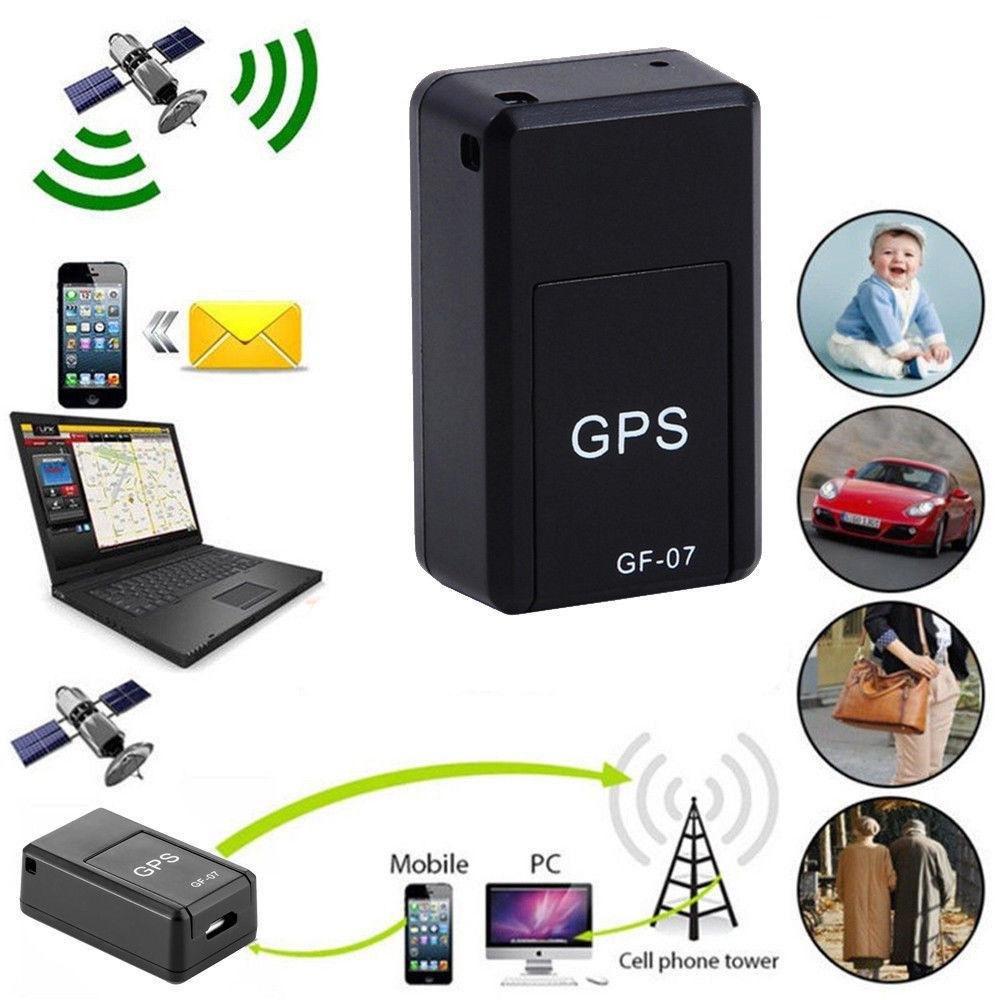
The modern world runs on data, and location data is one of its most valuable forms, a domain where the GPS Tracker has become an indispensable tool. These compact electronic devices use the Global Positioning System to determine their precise location and then transmit this information via a cellular, satellite, or other communication network to a server or mobile device. This simple yet powerful capability has unlocked a vast array of applications across commercial and personal spheres, driving significant market growth. As a result, the global GPS Tracker Market is growing at a CAGR of 12.8%, expected to reach from USD 3.16 Billion to USD 11.88 Billion during 2025 - 2035. From optimizing logistics and securing valuable assets to ensuring the safety of loved ones and recovering stolen vehicles, GPS trackers provide the real-time visibility that is essential for efficiency, security, and peace of mind in a highly connected and mobile world, transforming industries and personal habits alike.
At its core, a GPS tracker's operation involves a seamless interplay of several technologies. The device first acquires signals from multiple GPS satellites orbiting the Earth. By calculating the time it takes for these signals to travel, the receiver can triangulate its exact geographic coordinates, including latitude, longitude, and altitude. This location data is then processed by the device's internal microcontroller. The second critical step is data transmission. The tracker uses an embedded communication module—most commonly a cellular modem (2G, 4G, or increasingly 5G/LTE-M)—to send the location data over a mobile network to a central server. For applications in remote areas without cellular coverage, more expensive satellite-based trackers are used. This entire process happens continuously, allowing for the real-time or near-real-time tracking of the asset or person, providing a constant stream of actionable location intelligence for users to access through a software platform.
The applications of GPS trackers are broadly divided into two main categories: commercial and personal. In the commercial sector, fleet management is the dominant use case. Logistics, transportation, and service companies use trackers to monitor their vehicles, optimize routes to save fuel and time, track driver behavior to improve safety, and provide customers with accurate arrival estimates. Another major commercial application is asset tracking, where companies attach trackers to high-value equipment, shipping containers, and cargo to prevent theft and monitor their location throughout the supply chain. This visibility is crucial for inventory management, security, and ensuring the timely delivery of goods. The return on investment in the commercial sphere, through enhanced efficiency and loss prevention, is a primary driver of the technology's widespread adoption and market expansion.
On the personal use side, GPS trackers provide a powerful sense of security and safety. One of the most common applications is vehicle tracking for theft recovery. If a car is stolen, the owner can provide its real-time location to law enforcement, dramatically increasing the chances of recovery. They are also widely used for ensuring the safety of vulnerable individuals, such as children, the elderly (especially those with dementia), and outdoor enthusiasts who may venture into remote areas. Pet tracking is another rapidly growing segment, with small, lightweight trackers attached to collars to help owners quickly locate a lost pet. These personal applications, driven by a fundamental desire for safety and the security of valuable possessions and loved ones, represent a significant and expanding portion of the overall market, making the technology a part of everyday life.
Explore More Like This in Our Regional Reports:
Japan Exposure Management Market

 Arabic
 French
 Spanish
 Portuguese
 Deutsch
 Turkish
 Dutch
Dutch
 Italiano
 Russian
 Romaian
 Portuguese (Brazil)
 Greek
Greek