


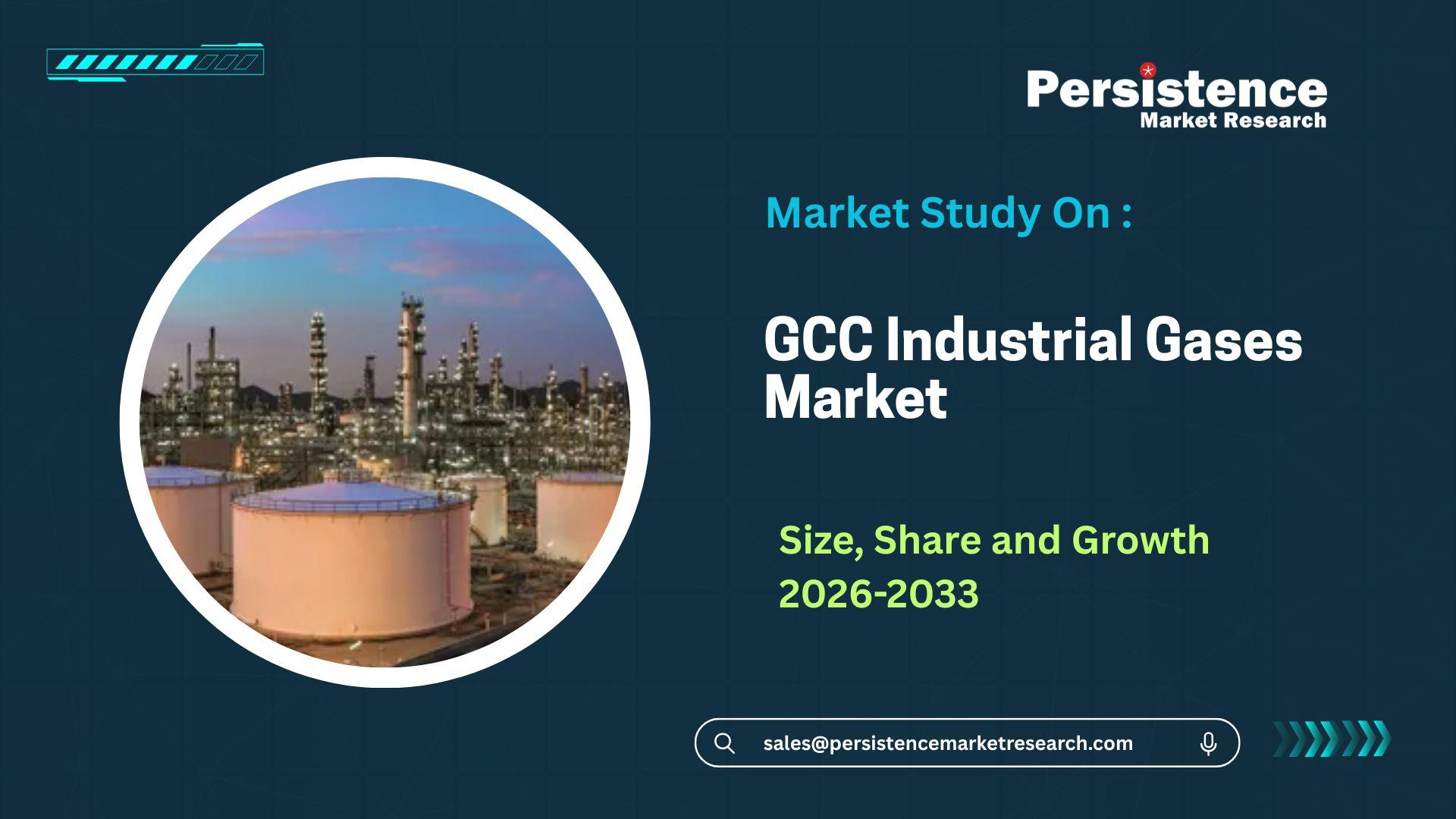
The GCC industrial gases market benefits from a unique combination of factors including large scale petrochemical complexes, rising healthcare investments, infrastructure expansion, and the early adoption of energy transition technologies. Countries such as Saudi Arabia, the United Arab Emirates, Qatar, and Oman are investing heavily in downstream industries, industrial corridors, and advanced manufacturing clusters. As a result, the demand for reliable, high purity, and cost efficient gas supply continues to rise, supporting steady market growth and long term capacity expansion
The industrial gases market in the Gulf Cooperation Council region has emerged as a strategically important segment within the broader chemicals and energy landscape. Industrial gases such as oxygen, nitrogen, hydrogen, carbon dioxide, and specialty gases play a critical role across manufacturing, healthcare, oil and gas, power generation, food processing, and electronics. In recent years, the GCC economies have accelerated diversification efforts beyond crude oil, leading to strong demand for value added industrial inputs. This shift has positioned industrial gases as essential enablers of industrial productivity, sustainability initiatives, and technological modernization across the region.
According to persistence market research The GCC industrial gases market size is valued at US$ 2.95 billion in 2025 and projected to reach US$ 4.99 billion by 2032 at a 7.8% CAGR for the forecast period 2025 to 2032 is accelerating on the back of green hydrogen megaprojects, petrochemical expansion, and healthcare modernization.
Market Overview and Scope
The GCC industrial gases market encompasses the production, distribution, and application of atmospheric gases, process gases, and specialty gases. Atmospheric gases include oxygen, nitrogen, and argon, which are typically produced through air separation units and supplied in gaseous or liquid form. Process gases such as hydrogen, carbon monoxide, and synthesis gas are often generated on site or through dedicated pipeline networks to support refining and chemical processes. Specialty gases, which include high purity and mixed gases, are used in smaller volumes but command higher margins due to stringent quality requirements.
Across the GCC, industrial gases are supplied through a combination of on site generation, bulk liquid delivery, cylinder distribution, and pipeline networks. Large industrial customers such as refineries, steel plants, and petrochemical complexes prefer long term supply contracts with on site or pipeline delivery to ensure uninterrupted operations. Smaller customers in healthcare, food processing, and laboratories typically rely on cylinder and bulk supply models. This diversified supply structure allows gas producers to address a wide range of customer needs while optimizing production efficiency.
Key Growth Drivers in the GCC Region
One of the primary growth drivers for the GCC industrial gases market is the continued expansion of the petrochemical and refining sector. The region hosts some of the largest integrated refining and petrochemical complexes in the world, particularly in Saudi Arabia and the United Arab Emirates. These facilities require large volumes of hydrogen for hydrocracking and desulfurization, as well as nitrogen and oxygen for inerting, blanketing, and process control. As new capacity comes online and existing plants are upgraded, the demand for industrial gases continues to rise steadily.
Healthcare modernization is another critical factor supporting market growth. GCC governments are investing heavily in hospital infrastructure, medical tourism, and advanced diagnostic capabilities as part of broader social development plans. Medical oxygen, nitrous oxide, and specialty gas mixtures are essential for patient care, surgery, and respiratory therapy. The experience of recent public health emergencies has further highlighted the importance of reliable medical gas supply, prompting hospitals and governments to strengthen storage, distribution, and emergency preparedness systems.
Infrastructure development and construction activity also contribute significantly to industrial gas demand. Oxygen and acetylene are widely used in metal fabrication, welding, and cutting applications. As the GCC continues to invest in transportation networks, industrial zones, and urban development projects, construction related gas consumption remains robust. In parallel, the growth of manufacturing clusters and special economic zones is creating new demand centers for industrial gases across the region.
Role of Green Hydrogen and Energy Transition
The emergence of green hydrogen projects represents a transformative opportunity for the GCC industrial gases market. Several GCC countries have announced ambitious plans to become global hubs for clean hydrogen production, leveraging abundant renewable energy resources and existing export infrastructure. Green hydrogen is produced using renewable electricity and water electrolysis, generating significant demand for industrial gases such as hydrogen itself, oxygen as a byproduct, and nitrogen for storage and transport applications.
Large scale green hydrogen and ammonia projects in Saudi Arabia, Oman, and the United Arab Emirates are expected to drive substantial investment in gas production, liquefaction, and pipeline infrastructure. These projects not only support export oriented energy transition strategies but also create domestic demand for hydrogen in refining, power generation, and mobility applications. As regulatory frameworks and international partnerships evolve, the role of industrial gas suppliers in supporting hydrogen value chains is likely to expand significantly.
Technological Advancements and Operational Efficiency
Technological innovation plays an important role in shaping the competitive landscape of the GCC industrial gases market. Advances in air separation unit efficiency, digital monitoring systems, and automation are enabling gas producers to reduce operating costs, improve reliability, and enhance safety. Modern plants are increasingly equipped with predictive maintenance tools, real time performance analytics, and energy optimization systems, which are particularly valuable in energy intensive gas production processes.
In addition, improvements in cylinder design, cryogenic storage, and transportation logistics are helping suppliers serve a broader customer base more efficiently. Lightweight composite cylinders, smart valves, and tracking technologies enhance safety and reduce losses during distribution. These innovations are especially relevant in remote or rapidly developing areas where infrastructure is still evolving, allowing gas suppliers to maintain consistent service levels.
Competitive Landscape and Market Structure
The GCC industrial gases market is characterized by the presence of global multinational companies alongside strong regional players.
- Linde plc
- Air Liquide S.A.
- Air Products and Chemicals Inc.
- ADNOC Industrial Gas
- Gulf Cryo Holding CSC
- Messer SE and Co. KGaA
- Praxair Technology Inc.
- Taiyo Nippon Sanso Corporation
Long term contracts with large industrial customers provide stable revenue streams for gas suppliers, but also require significant upfront investment in production and distribution infrastructure. As a result, barriers to entry are relatively high in segments such as on site and pipeline supply. In contrast, the cylinder and packaged gas segment is more fragmented and competitive, with opportunities for smaller players to differentiate through service quality and niche offerings.
Future Outlook and Strategic Opportunities
The future outlook for the GCC industrial gases market remains highly positive, supported by structural economic trends, industrial diversification, and energy transition initiatives. Market growth is expected to be driven not only by volume expansion but also by increasing demand for high value specialty and medical gases. Suppliers that can offer integrated solutions, technical expertise, and long term partnerships are likely to benefit most from these trends.
Strategic opportunities exist in areas such as on site gas generation for new industrial projects, expansion of medical gas services, and participation in green hydrogen value chains. Collaboration with government entities, project developers, and international partners will be critical for capturing these opportunities. As competition intensifies, differentiation through reliability, sustainability, and customer centric innovation will become increasingly important.
Conclusion
The GCC industrial gases market is entering a phase of sustained and diversified growth, underpinned by petrochemical expansion, healthcare modernization, and the rise of green hydrogen initiatives. With a market size valued at US$ 2.95 billion in 2025 and strong growth prospects through 2032, industrial gases are set to play an even more central role in the region’s economic transformation. As governments and industries pursue ambitious development and sustainability goals, the demand for reliable, efficient, and innovative industrial gas solutions will continue to expand, making this market a vital component of the GCC industrial ecosystem

 English
 Arabic
 French
 Spanish
 Deutsch
 Turkish
 Dutch
Dutch
 Italiano
 Russian
 Romaian
 Portuguese (Brazil)
 Greek
Greek