


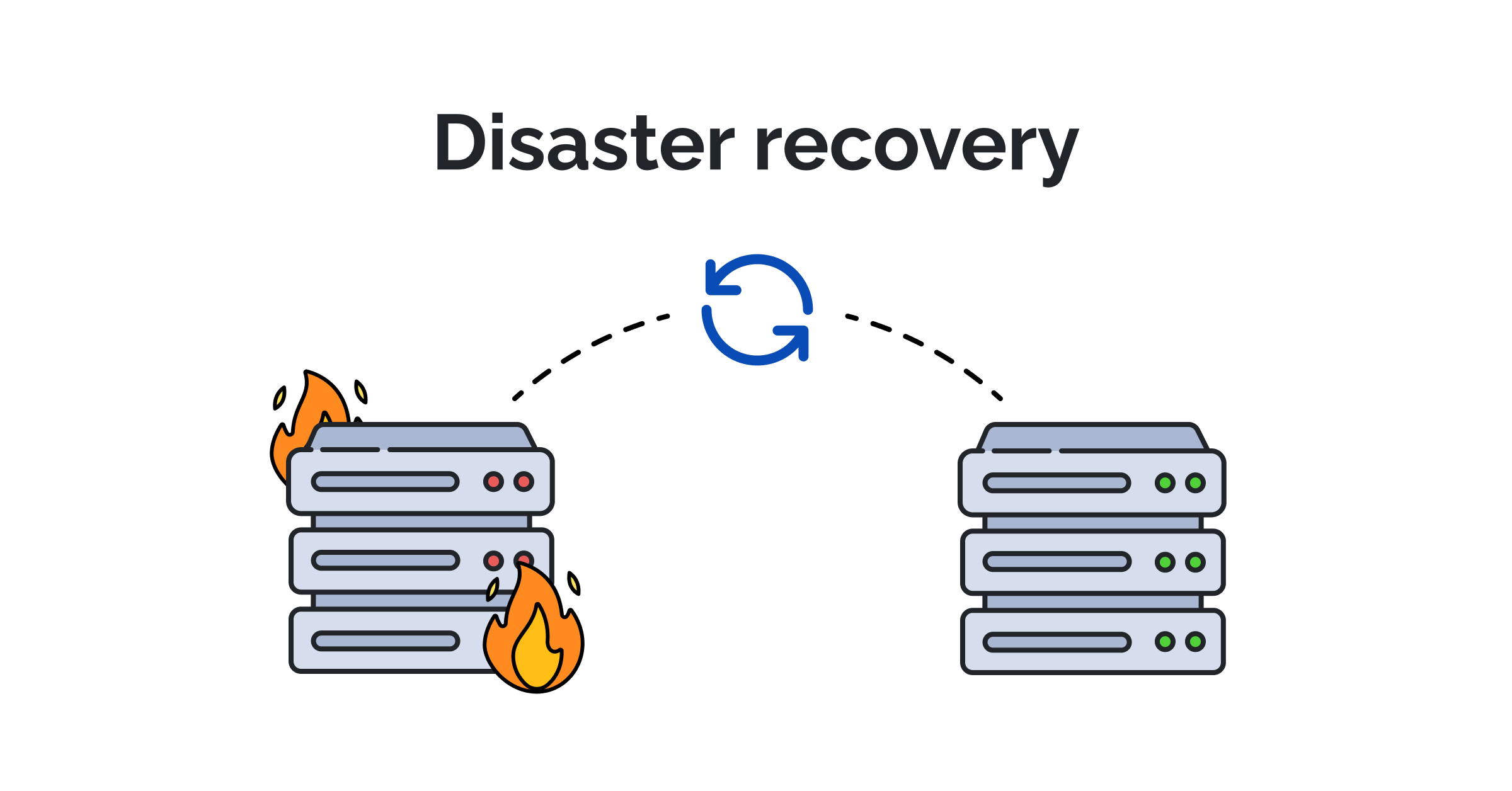
The world of disaster recovery is undergoing a profound transformation, evolving from a complex, costly, and often-neglected IT function into a more automated, accessible, and integrated component of overall business resilience. To understand the future of this critical industry, it is essential to analyze the key Disaster Recovery Solution Market Trends that are shaping the next generation of data protection and recovery platforms. These trends are driven by the changing nature of IT infrastructure and the ever-present threat of disruption, particularly from cyberattacks. The overarching theme is a move towards a "cloud-first" and "cyber-resilient" approach to DR, where automation and intelligence play a central role. These developments are not just making DR faster; they are making it more reliable, more testable, and more deeply integrated into the fabric of IT operations.
The single most dominant trend is the unstoppable shift to the cloud and the rise of Disaster Recovery as a Service (DRaaS). This model has fundamentally democratized disaster recovery. Instead of building and maintaining a costly secondary data center, organizations can now use the public cloud as an elastic, on-demand recovery site. DRaaS providers offer a fully managed service where they handle the replication of a company's servers to the cloud and manage the entire failover process during a disaster. This dramatically lowers the cost and complexity of DR, making it accessible to businesses of all sizes. This trend is also evolving to include protection for cloud-native applications, with new solutions emerging to back up and recover workloads running in containers (like Kubernetes) and serverless functions.
Another powerful and urgent trend is the intense focus on cyber resilience, specifically recovery from ransomware. This has moved beyond simple backups to a more holistic strategy. A key element is the use of "immutable" backups, which are stored in a way that they cannot be altered, encrypted, or deleted by a ransomware attacker, ensuring a clean recovery point. Modern DR solutions are also integrating AI-powered threat detection, which can analyze backup data to spot the signs of an infection. The most advanced solutions are now offering "clean room" recovery environments in the cloud. This provides an isolated, secure sandbox where an organization can safely restore their systems from a clean backup, scan them for any residual malware, and then bring them back into production, dramatically accelerating the recovery process from a major cyberattack.
Finally, a critical trend is the push for greater automation and simplified, non-disruptive testing. Historically, disaster recovery testing was a manual, disruptive, and time-consuming process that was often done only once a year, if at all. This meant that many DR plans were untested and likely to fail in a real emergency. The current trend is towards fully automated, "one-click" testing. Modern DR orchestration tools allow an organization to spin up a fully isolated copy of their production environment in the DR site for testing purposes, without impacting their live systems. This allows for frequent, on-demand testing that provides a high degree of confidence that the DR plan will actually work when needed. This move from manual, high-risk testing to automated, non-disruptive validation is a massive leap forward in ensuring true business resilience.
Top Trending Reports:
Commercial Insurance Software Market

 English
 Arabic
 French
 Spanish
 Portuguese
 Turkish
 Dutch
Dutch
 Italiano
 Russian
 Romaian
 Portuguese (Brazil)
 Greek
Greek