


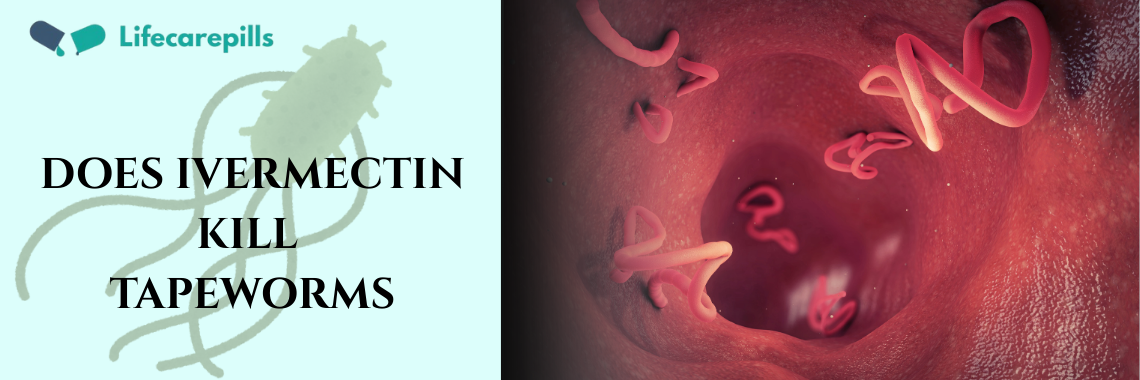
If you’re searching “does ivermectin kill tapeworms” because you’re worried about tapeworms coming back after treatment, the most medically accurate answer is ivermectin is not the right medicine for preventing tapeworm reinfection. It mainly works for roundworms and certain external parasites, while human tapeworms usually need praziquantel as the first-line treatment. This guide is mainly targeted to readers in the United States, where many people want to know how to stop repeat infections after symptoms like digestive issues, visible stool segments, or weight loss improve. The key point is that preventing reinfection depends more on food safety, hygiene, and follow-up stool testing than on ivermectin itself.
Can Ivermectin Prevent Tapeworm Reinfection?
The short answer: no, not reliably.
Ivermectin is not recommended as a preventive drug for human tapeworm reinfection.
There are two major reasons:
1) It Does Not Effectively Treat Adult Tapeworms
Since ivermectin does not reliably clear cestodes (tapeworms), it cannot be trusted as a reinfection-prevention strategy. If the original worm is not fully removed, especially the scolex (head), symptoms may seem like “reinfection” when it is actually persistent infection.
2) Reinfection Usually Comes From Re-Exposure
Tapeworm reinfection usually happens because of:
- eating undercooked beef or pork again
- contaminated food handling
- poor hand hygiene
- household spread in Taenia solium cases
- repeated travel exposure
This means behavioral prevention matters more than another dose of ivermectin.
Why Praziquantel Matters More Than Ivermectin
The best way to stop reinfection starts with fully clearing the first infection.
In US clinical practice, praziquantel is the preferred medication because it:
- damages the tapeworm’s outer surface
- detaches the scolex
- often works with a single dose
- has very high cure rates for taeniasis
If the first infection is not fully cleared, what looks like reinfection may simply be:
- lingering segments
- incomplete clearance
- regrowth from the remaining head
- delayed stool passage
So before worrying about prevention, it’s critical to confirm the original infection is truly gone.
The Real Causes of Tapeworm Reinfection
Tapeworms usually come back because the source of exposure is repeated.
1) Undercooked Meat
The most common US cause is eating:
- rare steak
- undercooked beef
- undercooked pork
- raw meat dishes
CDC prevention guidance recommends:
- 145°F (63°C) for whole cuts
- 160°F (71°C) for ground meat
2) Poor Kitchen Hygiene
Cross-contamination can happen when:
- raw meat boards touch ready-to-eat food
- knives are not washed
- hands are not cleaned after handling pork or beef
3) Household Egg Exposure
With Taenia solium, poor hygiene may spread eggs within households, causing repeat intestinal infection or even cysticercosis.
4) Travel Re-Exposure
US travelers may be exposed through:
- undercooked street food
- raw pork dishes abroad
- poor sanitation settings
Does Ivermectin Kill Tapeworms Before They Return?
This is a common misunderstanding.
People often think:
“If I take ivermectin every few months, it should stop tapeworms from coming back.”
But for tapeworms, this approach is not evidence-based.
Because ivermectin is weak against cestodes, repeat dosing:
- does not replace proper food precautions
- does not protect against new larvae in meat
- does not prevent egg exposure
- may create false reassurance
So the practical answer remains:
Ivermectin does not stop tapeworm reinfection because it is not the correct tapeworm medicine in the first place.
Best US Strategy to Prevent Tapeworm Reinfection
Since this article is mainly US-focused, the most practical prevention strategy includes:
1) Confirm Cure With Stool Follow-Up
CDC recommends repeat stool checks at:
- 1 month
- 3 months after treatment
This helps confirm:
- no eggs remain
- no new segments are present
- the scolex was removed
2) Improve Meat Safety
- use a food thermometer
- avoid rare pork
- fully cook beef
- freeze fish properly if raw dishes are eaten
3) Improve Hygiene
- wash hands after bathroom use
- wash hands before meals
- sanitize kitchen surfaces
- avoid cross-contamination
4) Treat Household Risks
If T. solium is suspected, family members may need testing in some situations.
Reinfection vs Persistent Infection: Why It Matters
A lot of people assume symptoms returning means reinfection.
But sometimes it’s actually persistent infection.
Signs of Persistent Infection
- symptoms return within days
- same stool segments continue
- no symptom-free gap
- weight loss never stabilized
Signs of True Reinfection
- symptoms return after weeks or months
- new undercooked meat exposure
- travel history
- household contamination risk
This difference is important because ivermectin will not solve either problem reliably if the parasite is truly a tapeworm.
Can Any Medicine Prevent Tapeworm Reinfection?
There is no standard preventive medication schedule for human tapeworms in the US.
The best prevention is:
- correct first treatment
- safe food handling
- repeat stool testing
- good sanitation
- avoiding repeated exposure
In other words, reinfection prevention is lifestyle-based, not ivermectin-based.
Symptoms That May Suggest Tapeworms Came Back
Watch for:
- white rice-like stool segments
- renewed bloating
- hunger changes
- mild stomach discomfort
- unexplained weight loss
- nausea after meals
If these symptoms reappear after eating undercooked meat, reinfection becomes more likely.
Why Self-Medicating With Ivermectin Can Delay Prevention
A common US mistake is taking ivermectin every time symptoms reappear.
This can:
- delay stool testing
- miss the real source of reinfection
- leave the household source untreated
- fail to eliminate persistent tapeworms
- delay praziquantel treatment
The better strategy is always:
test, confirm, then target the right parasite.
Prevention Tips for US Readers
Meat Safety
- Whole cuts: 145°F
- Ground meat: 160°F
Kitchen Rules
- separate meat boards
- wash knives
- clean counters
- wash hands
Travel Protection
- avoid undercooked pork abroad
- be cautious with street meat
- maintain hand hygiene
Follow-Up
- stool recheck at 1 and 3 months
FAQs
1) Does ivermectin kill tapeworms to stop reinfection?
No. Praziquantel is the preferred tapeworm medicine, and prevention depends on hygiene and food safety.
2) What is the best way to prevent tapeworms from coming back?
The best prevention is:
- fully cooking meat
- good hand hygiene
- follow-up stool testing
- proper first treatment
3) How do I know if it’s reinfection or incomplete treatment?
A stool test is the best way to tell the difference.
4) Can tapeworms come back after praziquantel?
Yes, but usually from new exposure, not because praziquantel failed.
5) Should I take ivermectin regularly to prevent tapeworms?
This is not a standard or recommended prevention strategy for human tapeworms.
Final Thoughts
So, does ivermectin kill tapeworms and stop reinfection? The evidence-based answer is no—preventing tapeworm reinfection depends on proper praziquantel treatment, stool follow-up, safe meat handling, and hygiene practices, especially for US readers where food exposure is the main risk.

 English
 Arabic
 French
 Spanish
 Portuguese
 Deutsch
 Turkish
 Dutch
Dutch
 Russian
 Romaian
 Portuguese (Brazil)
 Greek
Greek