


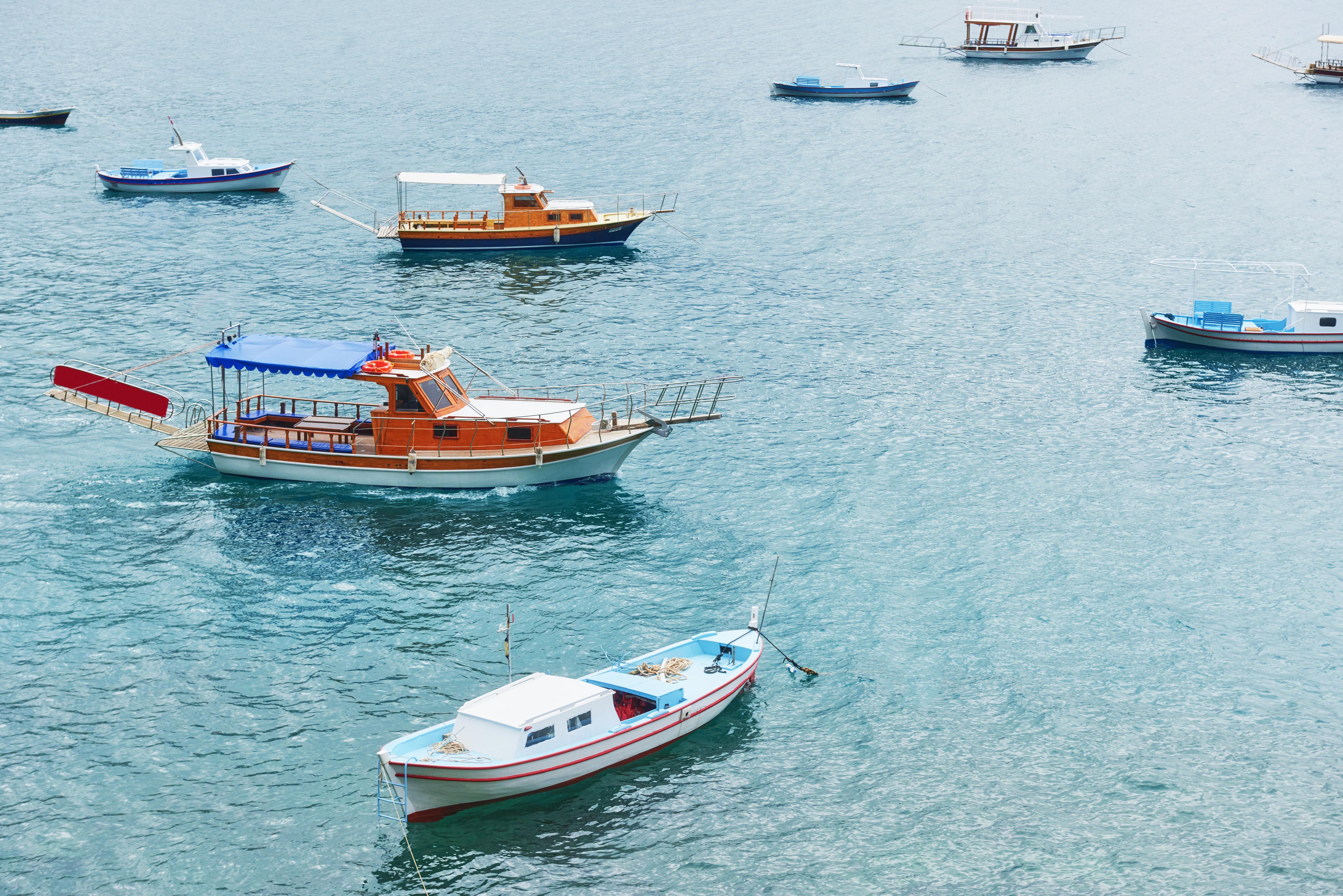
Why Anglers Flock to Islamorada
Ask just about any seasoned angler and they’ll tell you: Islamorada isn’t famous for nothing. Tucked right in the middle of the Florida Keys, this stretch of islands really does have it all. It sits where the warm, shallow waters of Florida Bay meet the deep blue Atlantic. That spot—where tides feed baitfish through mangrove-lined channels—turns the whole place into a fishing hotspot. Game fish follow the feast, and anglers know this is where the action is.
What’s great about IslamoradaI Fishing is how close together everything feels. You want to chase a bonefish in the morning? No problem—just head into the backcountry. Looking for dolphins or sailfish offshore that same day? The Gulf Stream isn’t far at all. From glittering flats to open ocean, it’s all at your fingertips. No wonder people from around the world keep coming back.
The Magic of the Backcountry
Let’s talk about those backcountry flats. Picture a maze of shallow water, tangled channels and patches of mangrove islands. This spot’s famous for sight fishing, and if you’re after the “Big Three”—bonefish, permit, tarpon—you’re in the right place.
Bonefish, those silvery bolts, slip through ankle-deep water and take off like rockets if you spook them. Permit? Good luck. They’re stubborn and picky, and getting one hooked is a bragging point on its own. Then there’s the tarpon. Come spring, these giants show up in force, rolling in the channels and under bridges. Land one and you’ll never forget it—the fight is all muscle and wild leaps. Fishing out here feels almost meditative. It’s quiet. All you hear is the wind and water, which makes every take that much more exciting.
Offshore Action
When you leave the flats behind and head into deeper water, it’s a whole new game. The Gulf Stream sweeps past sharp limestone reefs until the bottom just drops away under the blue. Out here, you’re after big pelagics—think sailfish, mahi-mahi, tuna, and even wahoo.
Sailfish often steal the spotlight, especially in winter. Watch the reef edge—when the temperature’s right, schools of them show up, and you might hook into one after another. Then come the mahi-mahi, lighting up the summer waters under floating weedlines. Tuna, big groupers, snapper hiding out over the reefs—every trip offshore feels like rolling the dice, since what’s biting changes with the current and the seasons.
Changing Seasons, Shifting Targets
If you want the best shot at a catch, you need to pay attention to the calendar. Tarpon start piling up in the spring, crowding the bridges and channels. When the summer sun burns hot, anglers trade the flats for offshore, chasing mahi-mahi where the sargassum drifts. Come winter, sailfish become the stars, and reef fishing gets a boost, too. Unlike a lot of places, Islamorada rarely slows down. The water here never gets too cold, the fish never really leave, and you never run out of options. That steady, year-round action is why people call this spot one of the best in the world.
Fishing for the Future
With so much fishing happening here, folks know they have to look after the place. There’s a strong push for conservation—especially for species like bonefish and tarpon. Most anglers catch and release, and local groups track everything from migration routes to water quality to make sure fish numbers stay healthy.
If you’re heading out, you can’t just wing it—you need to know the rules: how many you can keep, what gear you can use, where you can fish. Stay within those lines and you help keep the reef and the backcountry thriving. That’s how Islamorada manages to stay an angler’s paradise, even after decades of hard fishing.
Whether you’re poling through glassy flats or braving rolling Atlantic swells, every trip in Islamorada is a reminder: this isn’t just a fishery. It’s an ecosystem, and the thrills you find here—well, they’re worth protecting.

 English
 Arabic
 Spanish
 Portuguese
 Deutsch
 Turkish
 Dutch
Dutch
 Italiano
 Russian
 Romaian
 Portuguese (Brazil)
 Greek
Greek