


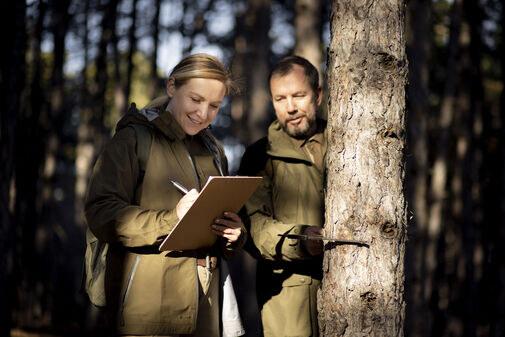
Vermont really lives and breathes through its forests. You’ve got thick hardwoods in the Northeast Kingdom and those endless Green Mountain ridges — the trees are pretty much everywhere, shaping everything from the local economy to how Vermonters see themselves. Here’s the thing: most of this forest land isn’t public. It’s owned privately, so keeping it healthy depends a lot on pros who know what they’re doing. Forestry services Vermont are what keep the balance — they make sure people get what they need without wrecking the landscape. It’s about leaving it better for the next round.
What Do Forestry Services Actually Do?
It’s not just chopping down trees. Forestry in Vermont covers all sorts of technical work aimed at keeping forests healthy and the land productive. Since forests cover almost three-quarters of the state, management has to be thoughtful. Pros out here use everything from tree science (dendrology) to soil and wildlife know-how to draw up management plans that fit the land.
Landowners usually call in foresters for guidance. Maybe their woods are too crowded and need thinning so sunlight can reach the ground. Sometimes the problem’s invasive species or pests chewing through the local biodiversity. Every bit of advice is tailored, because every patch of forest is a little different.
Harvesting: Not Just Logging
People think forestry’s all about cutting trees for timber, but managed harvesting is really about helping forests regenerate. The experts talk about “silviculture”— basically, smart control over what grows where, how fast, and how healthy. By choosing specific trees to remove, they help the whole stand grow back stronger. It’s kind of like copying what nature does during storms or fires, but with a much gentler touch. Keeping the canopy healthy also protects water quality, so the woods are still doing their job even after a harvest. Plus, the high-quality timber keeps local businesses rolling.
Wildlife and Biodiversity
Forestry services have shifted focus in recent years; it’s as much about wildlife as timber. Different animals like different environments — moose want old, deep forests; others need open, young patches. By mixing up tree ages and species, foresters keep the habitat diverse. Moose, bears, migrating birds, you name it — they all benefit. There’s also a big push to protect riparian zones (those vegetated strips along streams and wetlands) because healthy buffers keep water cooler and stop erosion. Trout and other aquatic critters get a safer home.
Fighting Invasives and Climate Change
Vermont’s forests face some serious threats now, mostly from invasive species and shifting weather. Things like emerald ash borer or buckthorn can take over fast, messing up the balance. That’s where forestry services step in — they check forests for trouble, catch pests early, and clear out invaders. This hands-on approach keeps the woods from falling apart.
And with the climate being all over the place, forests need to adapt or they’ll suffer. Forestry pros are advising landowners on which trees fend off new weather extremes better, so forests keep thriving even as things change.
Thinking Long-Term
In Vermont, owning forest land is usually a family legacy. Whether folks are into hiking, hunting, or logging, their goal is to leave the land healthier than they found it. That’s thinking decades out — even a century.
By working with people who know Vermont’s soil and weather inside out, landowners make choices that pay off for everyone. Managed forests do more than just look good: they pull carbon out of the air, clean up the atmosphere, and filter water for the state’s rivers and lakes.
Wrapping Up
Managing Vermont’s forests isn’t simple — it’s a mix of science, tradition, and caring about the future. Relying on professional forestry services helps Vermonters keep their woods strong and their economy steady. As things get tougher — pests, climate, more people — sticking with smart, sustainable management is the best shot at preserving Vermont’s wild beauty for years to come.

 English
 Arabic
 French
 Spanish
 Portuguese
 Deutsch
 Turkish
 Dutch
Dutch
 Russian
 Romaian
 Portuguese (Brazil)
 Greek
Greek