


I didn’t expect a simple browser game to make me emotionally unstable.
But here we are.
A few weeks ago, I opened agario out of pure curiosity after seeing people casually mention it online for years. I figured it would be one of those quick “play for ten minutes and forget forever” games.
Instead, I somehow became deeply invested in the survival of a tiny blob named “cheese wizard.”
That’s the magic of agario.
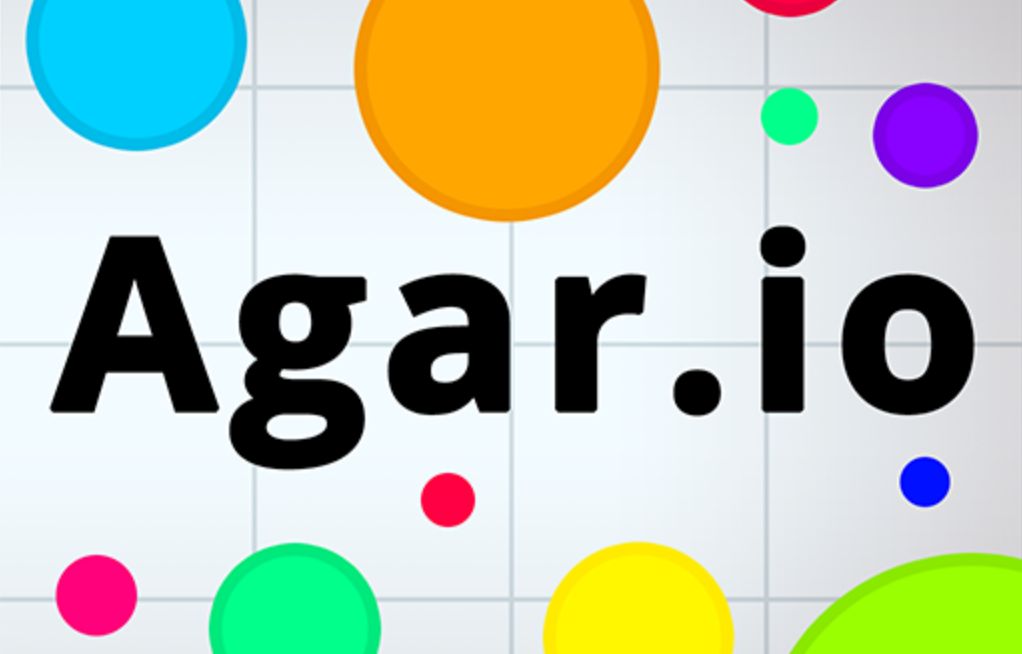
The game looks incredibly simple at first glance. You control a circular cell floating around a giant map, eating smaller dots and avoiding anything larger than you. As you grow, you can consume smaller players too. Bigger equals stronger — until somebody even bigger arrives and ruins your day.
Simple concept.
Absolute emotional chaos.
My First Impression: “This Is Easy”
That confidence lasted about twelve seconds.
I spawned into my first match and immediately drifted toward the middle of the map because I thought that’s where the “action” was.
Technically, I was right.
The action was me getting instantly eaten by a giant player named “banana lord.”
Then it happened again.
And again.
At one point I survived just long enough to think, “Okay, maybe I understand this now,” before another player split perfectly across the screen and swallowed me whole like a tactical missile.
I remember laughing because every defeat in agario feels both unfair and completely deserved at the same time.
You always think:
“If I had turned left two seconds earlier…”
The Strange Thing That Makes Agario So Fun
What surprised me most wasn’t the gameplay itself.
It was the tension.
Even when your cell is tiny, your brain starts calculating constantly. Every movement matters. Every nearby player becomes a potential threat or opportunity.
You’re scanning the screen nonstop:
- Who’s chasing me?
- Can I eat that player?
- Are they baiting me?
- Why is everyone named something terrifying?
That constant decision-making makes the game incredibly addictive. There’s almost no downtime. You’re always escaping danger, hunting smaller players, or trying not to panic.
And because matches restart instantly, losing doesn’t stop the fun.
It just fuels the next attempt.
The Funniest Disaster I’ve Ever Experienced
The Legendary “Victory” That Lasted Four Seconds
One evening, I had the best run of my life.
Everything clicked.
I stayed patient early on, avoided risky fights, and slowly built enough mass to become one of the larger players in the lobby. Tiny cells started running away from me instead of the other way around.
That feeling is weirdly satisfying.
You go from prey to predator.
At one point, I even made it onto the leaderboard. I stared at my username in disbelief like I had achieved something historically important.
Naturally, success destroyed my judgment immediately.
I saw a cluster of smaller players near a virus cell and thought:
“This is my moment.”
I split aggressively across the screen, absorbed two players instantly, and felt like a tactical genius.
Then I drifted directly into the green virus.
Explosion.
My giant cell shattered into a million vulnerable pieces.
Within seconds, several nearby players swarmed me like seagulls attacking dropped fries.
Everything vanished.
I sat there staring at the screen in silence before bursting out laughing. The rise and fall happened so fast it felt cinematic.
That’s honestly why agario creates such memorable moments. Every match becomes its own ridiculous little story.
The Most Frustrating Feeling in the Entire Game
Almost Escaping
The close calls hurt more than instant defeats.
Sometimes you’ll barely survive a chase, weaving around viruses while a massive enemy hunts you across the map. Your heart starts racing because somehow you’re still alive.
Then you make one tiny mistake.
Maybe you corner yourself.
Maybe you slow down for half a second.
Maybe another giant player appears from nowhere.
Gone.
The worst part is knowing you almost survived.
There was one match where I escaped two enormous players for nearly a full minute. I was genuinely proud of my movement. I thought I had outsmarted them completely.
Then I accidentally trapped myself against the edge of the map.
Instant death.
I actually leaned back in my chair and whispered, “I deserved that.”
The Psychology of Player Names
One of the funniest parts of agario is the names people choose.
For some reason, getting eaten by certain usernames feels personal.
Being absorbed by “destroyer99” is whatever.
But getting eliminated by names like:
- “microwave”
- “dad’s taxes”
- “sad noodle”
- “wifi signal”
…hits differently.
The absurd humor of random player names adds so much personality to the game. Sometimes I spend more time laughing at usernames than focusing on survival.
Which, to be fair, probably explains many of my losses.
Things I Learned After Playing Too Much
I’m definitely not an expert, but after enough sessions, I started noticing habits that genuinely improved my gameplay.
Patience Matters More Than Speed
Early on, I chased everything.
Every smaller player looked like free mass.
Bad idea.
Aggressive plays can work, but overcommitting usually gets you trapped by larger players nearby. I learned that survival is often more valuable than risky attacks.
Growing slowly is still growing.
The Middle of the Map Is Pure Madness
The center area attracts huge players constantly.
Now I usually stay near quieter regions until I build enough size to defend myself better. It’s less exciting, but much safer.
Think of it as tactical cowardice.
Splitting Is Powerful but Dangerous
Nothing feels cooler than a successful split attack.
Unfortunately, failed split attacks feel catastrophic.
If you split at the wrong time, you become vulnerable instantly. Bigger players can absorb your smaller pieces before you recombine.
I learned this lesson approximately one hundred painful times.
The Unexpected Social Energy
What makes agario unique compared to many casual games is how human interactions emerge without needing voice chat or complicated systems.
Players communicate entirely through movement.
You can sense fear, aggression, hesitation, or friendliness just by how someone approaches you.
Temporary alliances form naturally too.
I once teamed up with another player for nearly fifteen minutes. We protected each other and controlled part of the map together.
Then they betrayed me spectacularly.
Honestly, I respected the commitment.
Trusting anyone in agario is basically volunteering for heartbreak.
Why I Keep Returning to It
I think the reason this game stays popular is because it captures something timeless about online gaming.
It creates stories naturally.
Nobody needs scripted missions or fancy cutscenes when the gameplay itself constantly produces dramatic moments. Every match becomes unpredictable.
Sometimes you dominate.
Sometimes you survive by pure luck.
Sometimes you get eaten five seconds after spawning and immediately question your life choices.
And somehow, all of it is entertaining.
There’s also something satisfying about how transparent the game feels. When you lose, you usually know exactly why. Maybe your positioning was bad. Maybe greed took over. Maybe you stopped paying attention for one second.
Improvement feels visible over time.
You become calmer.
Smarter.
Slightly less reckless.
Only slightly.
Final Thoughts From Someone Who Definitely Said “One More Match” Too Many Times
Agario is one of those rare games that proves you don’t need complicated mechanics to create memorable experiences.
At its heart, it’s just circles eating circles.
But somehow it turns into suspense, comedy, panic, strategy, betrayal, and triumph all at once.
I’ve laughed at ridiculous eliminations, celebrated tiny victories like esports championships, and experienced genuine stress while escaping giant blobs named after household appliances.

 English
 French
 Spanish
 Portuguese
 Deutsch
 Turkish
 Dutch
Dutch
 Italiano
 Russian
 Romaian
 Portuguese (Brazil)
 Greek
Greek