


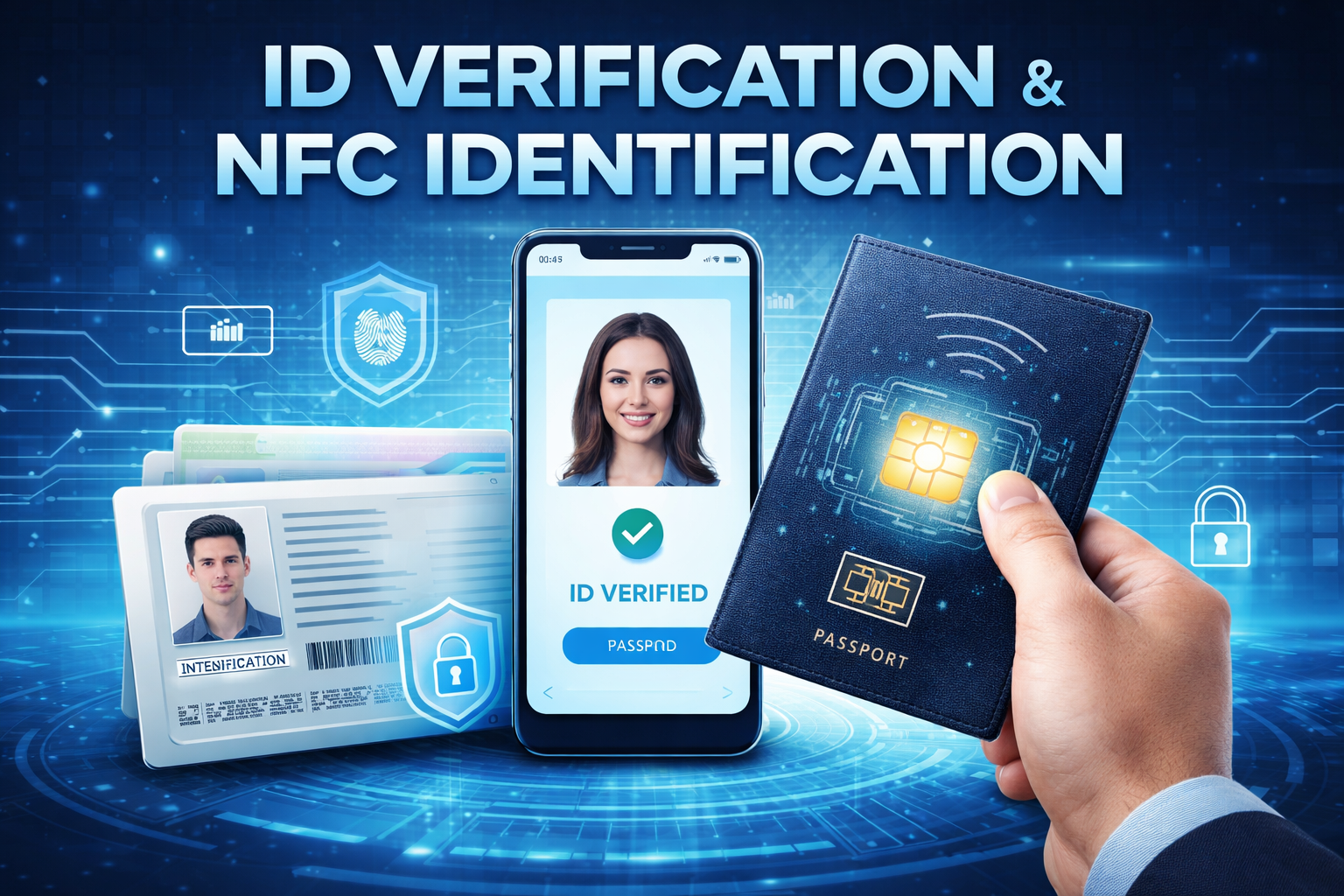
As digital services continue to grow, businesses face increasing challenges in protecting user identities and preventing fraud. From banking and fintech to healthcare and telecom, organizations need advanced solutions that can verify real users in real time. This is where liveness verification and voice based authentication are transforming digital security.
These technologies help companies build safer onboarding systems, reduce identity fraud, and improve customer trust while delivering a seamless user experience.
What is Liveness Verification?
Liveness verification is a biometric security process that confirms whether a person is physically present during identity verification. It helps detect spoofing attempts using photos, videos, masks, or deepfake technology.
Modern liveness verification systems use AI-powered algorithms to analyze facial movements, blinking patterns, texture, lighting, and depth detection to ensure the user is genuine.
Businesses use liveness verification for:
- Digital KYC onboarding
- Remote customer verification
- Fraud prevention
- Secure account access
- Online banking authentication
- Government and telecom verification
By implementing liveness verification, organizations can significantly reduce identity theft and unauthorized access attempts.
Benefits of Liveness Verification
Enhanced Fraud Protection
Liveness detection prevents cybercriminals from bypassing facial recognition systems using fake images or manipulated videos.
Faster Customer Onboarding
Users can complete verification within seconds without visiting physical branches or offices.
Improved Compliance
Liveness verification supports compliance with KYC and AML regulations by ensuring authentic customer verification.
Better User Experience
The process is fast, contactless, and highly convenient for users across mobile and web platforms.
Understanding Voice Based Authentication
Voice based authentication is another powerful biometric technology that verifies users through their unique voice characteristics. Every individual has a distinct vocal pattern, including pitch, tone, frequency, and speech behavior.
Using AI and machine learning, voice authentication systems analyze these voiceprints to confirm a user’s identity accurately.
Voice based authentication is commonly used in:
- Banking customer support
- Contact centers
- Mobile applications
- Financial transactions
- Secure remote access systems
- Healthcare verification platforms
This technology enables hands-free and secure identity verification while improving operational efficiency.
Why Businesses Prefer Voice Based Authentication
Secure and Reliable
Voice biometrics are difficult to replicate, making them highly effective against fraud and impersonation attacks.
Faster Verification Process
Customers can authenticate themselves instantly without remembering passwords or PINs.
Reduced Operational Costs
Automated voice verification reduces dependency on manual verification teams and support staff.
Seamless Customer Experience
Voice authentication provides frictionless access while maintaining high security standards.
Combining Liveness Verification with Voice Authentication
When liveness verification and voice based authentication work together, businesses achieve multi-layered biometric security. Facial liveness ensures the user is physically present, while voice biometrics confirm identity through speech analysis.
This combination strengthens fraud prevention, enhances digital trust, and creates a highly secure verification ecosystem for modern businesses.
Conclusion
As cyber threats continue to evolve, businesses must adopt advanced identity verification technologies to stay protected. Liveness verification and voice based authentication offer secure, fast, and user-friendly solutions for digital onboarding and authentication.
Organizations implementing these technologies can improve compliance, reduce fraud risks, and deliver a safer digital experience for customers worldwide.

 English
 Arabic
 French
 Spanish
 Portuguese
 Deutsch
 Turkish
 Dutch
Dutch
 Russian
 Romaian
 Portuguese (Brazil)
 Greek
Greek