


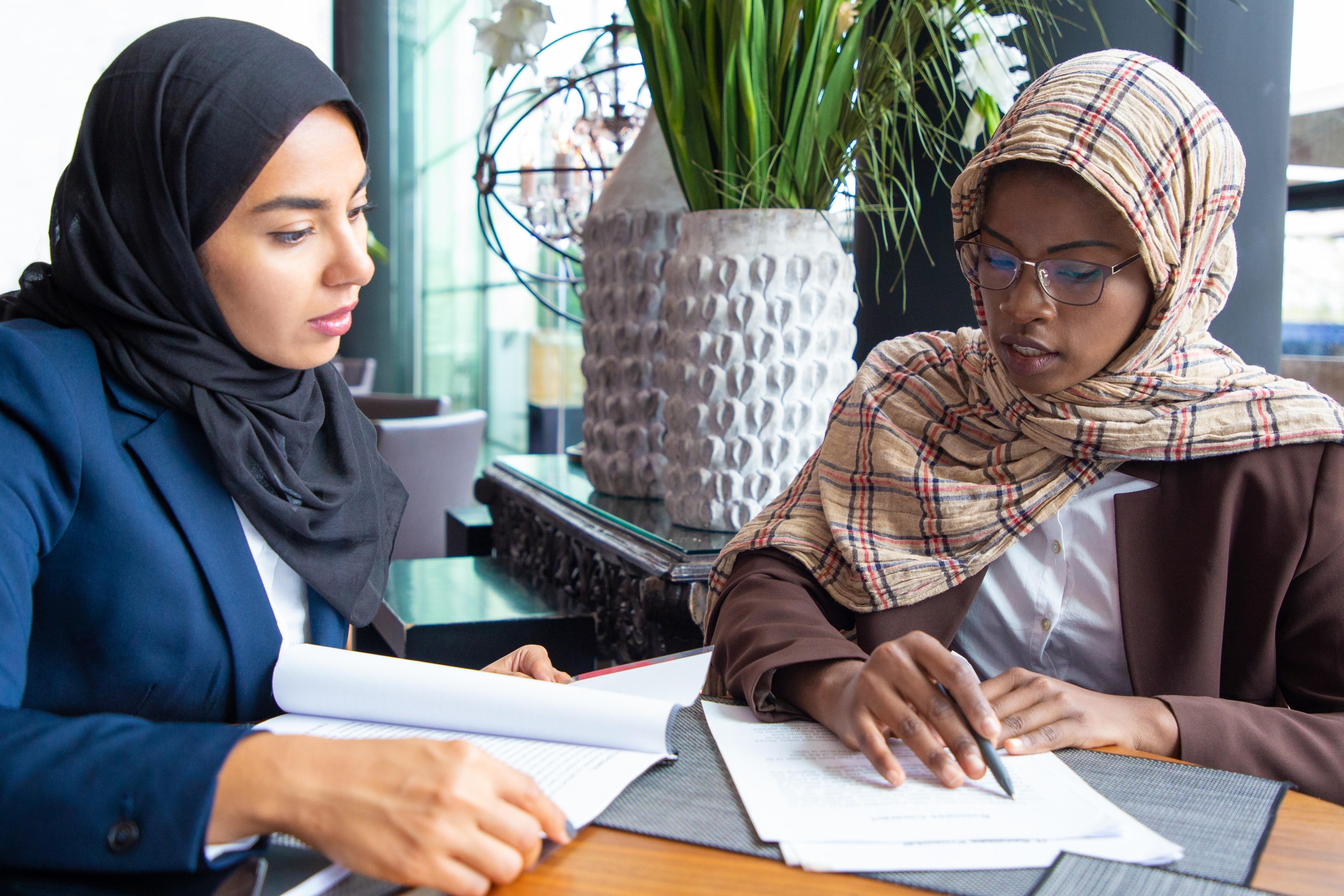
When a young woman walks through the gates of a learning institution, she isn't just carrying a backpack; she is carrying the future of her entire community. In today's fast-paced world, the conversation around schooling has shifted from a simple luxury to an absolute necessity. We often hear people talking about development and progress, but you cannot have a bird fly with only one wing. To truly see a society flourish, we have to ensure that our daughters have the same academic opportunities as our sons.
The Cultural Significance Of Female Learning
For many families, the decision to send a daughter to a specialized college for girls is rooted in a desire for a safe, focused, and empowering environment. These institutions provide a unique space where young women can take the lead in science labs, debate halls, and sports fields without the social pressures that often exist in co-educational settings. It is here that many find their voice. They learn that their opinions matter and that their intellectual contributions can change the world.
Beyond the social comfort, a girls college often serves as a bridge to professional independence. In these halls, mentors help students navigate the transition from being a student to becoming a doctor, an engineer, or a digital entrepreneur. This focused environment helps build a level of confidence that lasts a lifetime.
The Importance Of Women Education In Islam
There is often a lot of noise and misinformation regarding religious perspectives on schooling. However, when you look at the core values and the history of the faith, the importance of women's education becomes incredibly clear. The very first word revealed in the scripture was Read. This command was not gender-specific; it was a universal call to seek knowledge. Throughout history, Muslim women have been scholars, jurists, and even founders of the world’s oldest universities.
Seeking knowledge is described as a mandatory duty for every individual. When a woman is educated, she is better equipped to understand her rights, raise her children with wisdom, and contribute to the moral and economic fabric of her society. Recognizing the importance of women education in Islam means acknowledging that an informed woman is the greatest asset a family can have. She becomes a source of light and guidance for everyone around her.
How Civil Society Is Closing The Gap
Even with the best intentions, many families face a harsh reality: poverty. In rural and underserved areas, the cost of books, uniforms, and transportation can be a wall that stops a girl’s dreams in their tracks. This is where women's education charities play a vital role. These organizations work on the ground to remove the financial and logistical barriers that keep girls out of school. They don't just hand out checks; they build systems of support that keep students enrolled until graduation.
The impact of these girls' education charities is measurable and profound.
-
Reduced Poverty: For every year a girl stays in secondary school, her future wages increase by nearly 20%.
-
Healthier Families: Educated women are more likely to seek medical care and ensure their children are vaccinated.
-
Community Leadership: Women who finish their schooling are more likely to participate in local decision-making.
-
Economic Stability: When women work, they reinvest 90% of their income back into their families.
Statistics That Tell A Global Story
The numbers for 2026 show that while we are making progress, there is still a long way to go. Currently, over 120 million girls worldwide are out of school. In South Asia and parts of Africa, the secondary school completion rate for girls remains significantly lower than that for boys. However, in regions where targeted investment has been made in female-specific schooling, literacy rates have jumped by 15% in just five years.
Experts in global economics argue that if every girl completed secondary education, the world could see a boost in GDP of trillions of dollars. This isn't just a feel-good mission; it is a smart economic strategy. When we invest in a girl, we are investing in a more stable and prosperous planet for everyone.
Building A Legacy Through Learning
Think of the ripple effect created by one educated woman. She teaches her children, she manages her household with efficiency, and she brings a unique perspective to her professional field. She breaks the cycle of poverty that might have held her family back for generations. This is the true power of learning. It is a flame that, once lit, is very hard to put out.
We all have a role to play in this journey. Whether it is by supporting local institutions or contributing to global movements, our collective effort determines how fast we can achieve total literacy. The goal is simple: a world where no girl has to choose between her safety and her syllabus.
Frequently Asked Questions
Does a separate learning environment really help students perform better?
Many studies suggest that in single-gender environments, girls are more likely to participate in STEM (Science, Technology, Engineering, and Math) subjects. Without the fear of being judged or overshadowed, they often take more academic risks and develop stronger leadership skills during their formative years.
What are the biggest barriers to female schooling in rural areas?
The most common hurdles are a lack of nearby schools, safety concerns during the commute, and the hidden costs of education like stationery and exams. In some cultures, girls are also expected to stay home and help with domestic chores, which makes time a very scarce resource for them.
How can I verify if a charity is actually helping girls on the ground?
Look for organizations that provide transparent reports and show impact stories. A good charity will have clear data on enrollment numbers, graduation rates, and how they use their funds. You can also check third-party rating sites to see how much of your donation goes directly to the programs versus administrative costs.
Is digital learning a good alternative for girls who cannot travel to school?
Yes, online education is becoming a massive tool for inclusivity. It allows girls in remote areas to access high-quality lessons from their homes. However, it requires a stable internet connection and a device, which is why many support groups are now focusing on providing digital kits to students.
Why is secondary education more critical than primary education for girls?
While primary school teaches basic literacy, secondary school is where life skills, critical thinking, and professional paths are formed. It is during the teenage years that the risk of early marriage is highest, so keeping a girl in school through her secondary years is the best way to protect her future and her health.

 English
 Arabic
 French
 Spanish
 Portuguese
 Deutsch
 Turkish
 Italiano
 Russian
 Romaian
 Portuguese (Brazil)
 Greek
Greek