


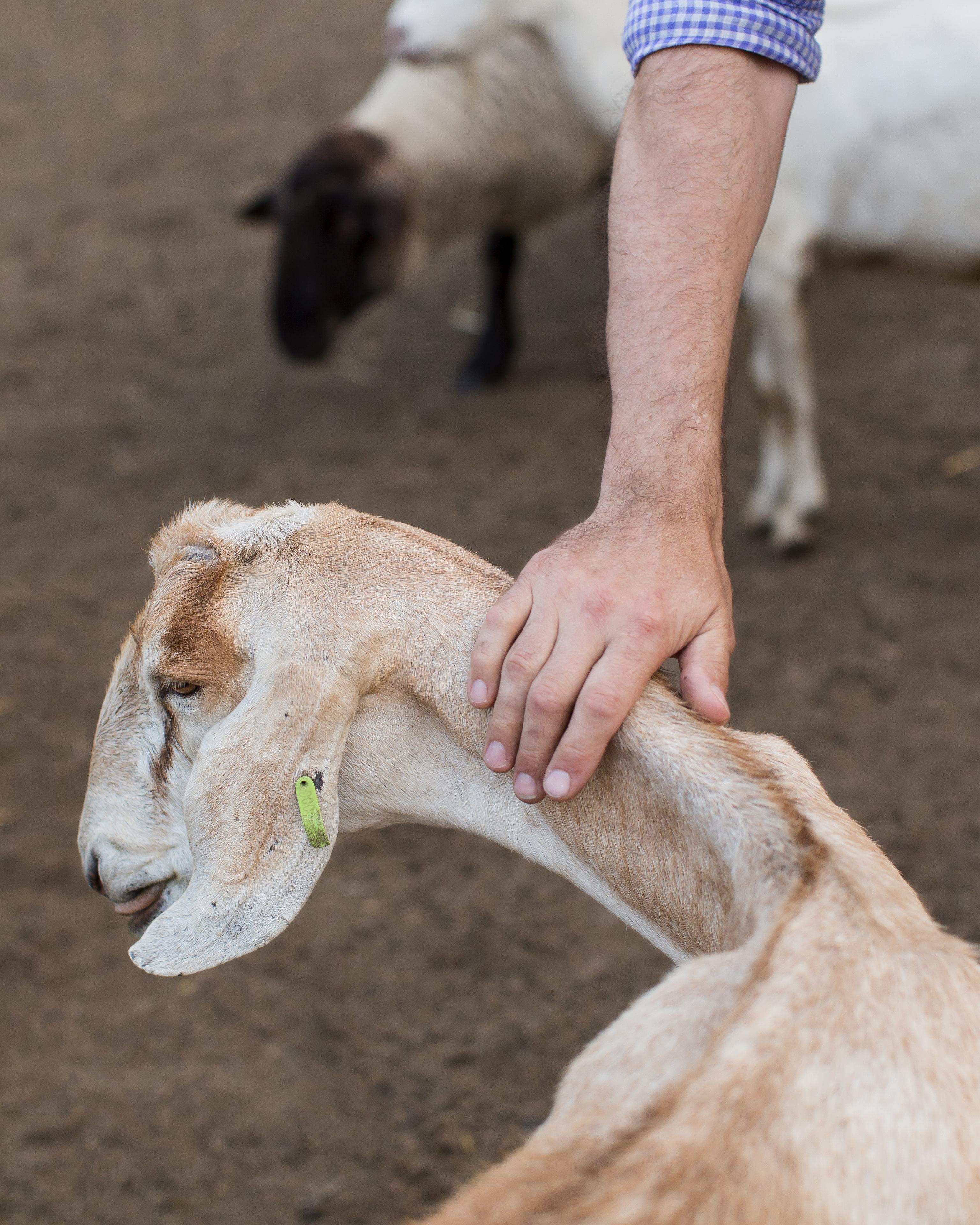
The arrival of Dhul Hijjah brings a sense of spiritual anticipation to Muslim households across the globe. For families living in the West, this season is a time to reflect on the devotion of Prophet Ibrahim and the values of sacrifice and sharing. In the busy streets of London, Manchester, or Birmingham, the tradition of Qurbani has evolved. While the essence remains rooted in ancient tradition, the way we fulfill this obligation has adapted to our modern, fast-paced lives. It is no longer just about the ritual itself; it is about ensuring that the meat reaches those who truly haven't seen a decent meal in months.
The Modern Shift To Digital Giving
The days of mailing a check or dropping off cash at a local center are slowly fading into the past. In 2026, the ease of an online donation has revolutionized how we handle our religious duties. Most people now prefer to manage their charity through a few taps on a smartphone while sitting on their sofa. This shift isn't just about convenience, though that is a big part of it. It is about transparency and speed. When you contribute digitally, you often get an instant receipt and, in many cases, a tracking update that tells you exactly where your sacrifice is being carried out.
Using an online donation platform also allows donors to compare different regions where aid is most needed. Perhaps one year you want to support families in East Africa, and the next, you focus on refugees in the Middle East. This flexibility ensures that the aid is distributed where the humanitarian crisis is most acute at that specific moment.
Understanding The Logistics Of Qurbani UK
For many British Muslims, there is a specific desire to handle their religious obligations within their own country. The demand for Qurbani services has seen a significant rise over the last few years. This is partly due to a growing awareness of local hidden poverty within the United Kingdom. While we often think of famine in distant lands, there are thousands of families right here in our own neighborhoods who rely on food banks to survive. By choosing a local service, donors ensure that fresh, high-quality meat is delivered to struggling families, shelters, and soup kitchens across the country.
Managing a Qurbani UK sacrifice requires strict adherence to both Islamic law and local health and safety regulations. The animals must be sourced from ethical farms, treated with dignity, and processed in HMC-certified facilities. This attention to detail gives the community peace of mind. It ensures that the spirit of the sacrifice is maintained from the farm to the dinner table of a family in need.
Why Quality And Ethics Matter In 2026
In the modern era, donors are more conscious than ever about where their food comes from. We aren't just looking for the lowest price; we are looking for the most ethical process. This means looking for organic or grass-fed options that reflect the Tayyib (wholesome) aspect of Islamic dietary laws.
-
Animal Welfare: Ensuring the animal has lived a healthy life in an open pasture.
-
Fair Wages: Making sure the farmers and butchers are paid a living wage for their hard work.
-
Environmental Impact: Reducing the carbon footprint by sourcing livestock locally whenever possible.
-
Waste Reduction: Using every part of the animal so that nothing goes to waste in the process.
Expert insights from humanitarian leaders suggest that when we prioritize quality, the psychological impact on the receiver is much greater. Receiving a package of premium, fresh meat feels like a gift of dignity, not just a handout of leftovers.
Global Impact And Updated Statistics
While local giving is vital, the global scale of the Eid sacrifice is staggering. In 2025, it was estimated that over 100 million people benefited from meat distributions worldwide. For many of these individuals, this is the only time in the entire year that they will consume animal protein. This makes the sacrifice a critical intervention against chronic malnutrition.
In 2026, the focus has shifted toward sustainable Qurbani. This involves programs where, instead of just giving meat, charities help families build their own livestock herds. However, the immediate need for food remains the top priority during the days of Eid. The logistics are mind-boggling, involving refrigerated trucks, cargo planes, and thousands of volunteers working in some of the most difficult terrains on earth.
Making The Most Of Your Sacrifice
As the days of Eid approach, it is easy to get caught up in the festivities and forget the planning. The best advice for any donor is to act early. Many services have early bird cut-offs to ensure they can secure the best livestock and organize the logistics in time for the slaughtering days.
-
Set an Intention: Remember that this is an act of worship first and a charitable act second.
-
Check the Credentials: Ensure the service you use is transparent about their sourcing and distribution.
-
Involve the Kids: Use the process of choosing a region or a type of animal to teach children about the importance of giving.
-
Follow Up: Look for the reports after Eid to see the photos and stories of the people who received your gift.
Frequently Asked Questions
Can I give my Qurbani meat to non-Muslims?
Yes, you absolutely can. The essence of the sacrifice is to feed the hungry and share with your neighbors, regardless of their faith. Many local initiatives in the UK distribute meat to homeless shelters and community centers that serve everyone in the area.
What is the deadline for arranging a sacrifice?
While some places take orders up until the second day of Eid, it is much better to finish your arrangements at least a week before. This helps the farmers and organizers manage the numbers effectively and ensures that your sacrifice is performed on time.
How is the price of the animal determined?
The cost usually reflects the local market price of the livestock, the cost of professional slaughtering, refrigeration, and the logistics of distribution. Prices vary significantly between a small goat in a rural village and a large cow in a high-cost country.
Is it better to give locally or internationally?
There is no right or wrong answer here. Islamic tradition suggests looking after your neighbors first, but if there is a dire famine or war in another country, the need there might be more urgent. Many people choose to split their sacrifice, doing one part locally and one part abroad.
Do I have to be present for the slaughtering?
In the modern context, especially in Western countries, it is rarely possible for everyone to be present at a slaughterhouse. Appointing a proxy (the charity or service provider) to carry out the sacrifice on your behalf is a perfectly valid and widely accepted practice.

 English
 Arabic
 French
 Spanish
 Portuguese
 Deutsch
 Turkish
 Italiano
 Russian
 Romaian
 Portuguese (Brazil)
 Greek
Greek