


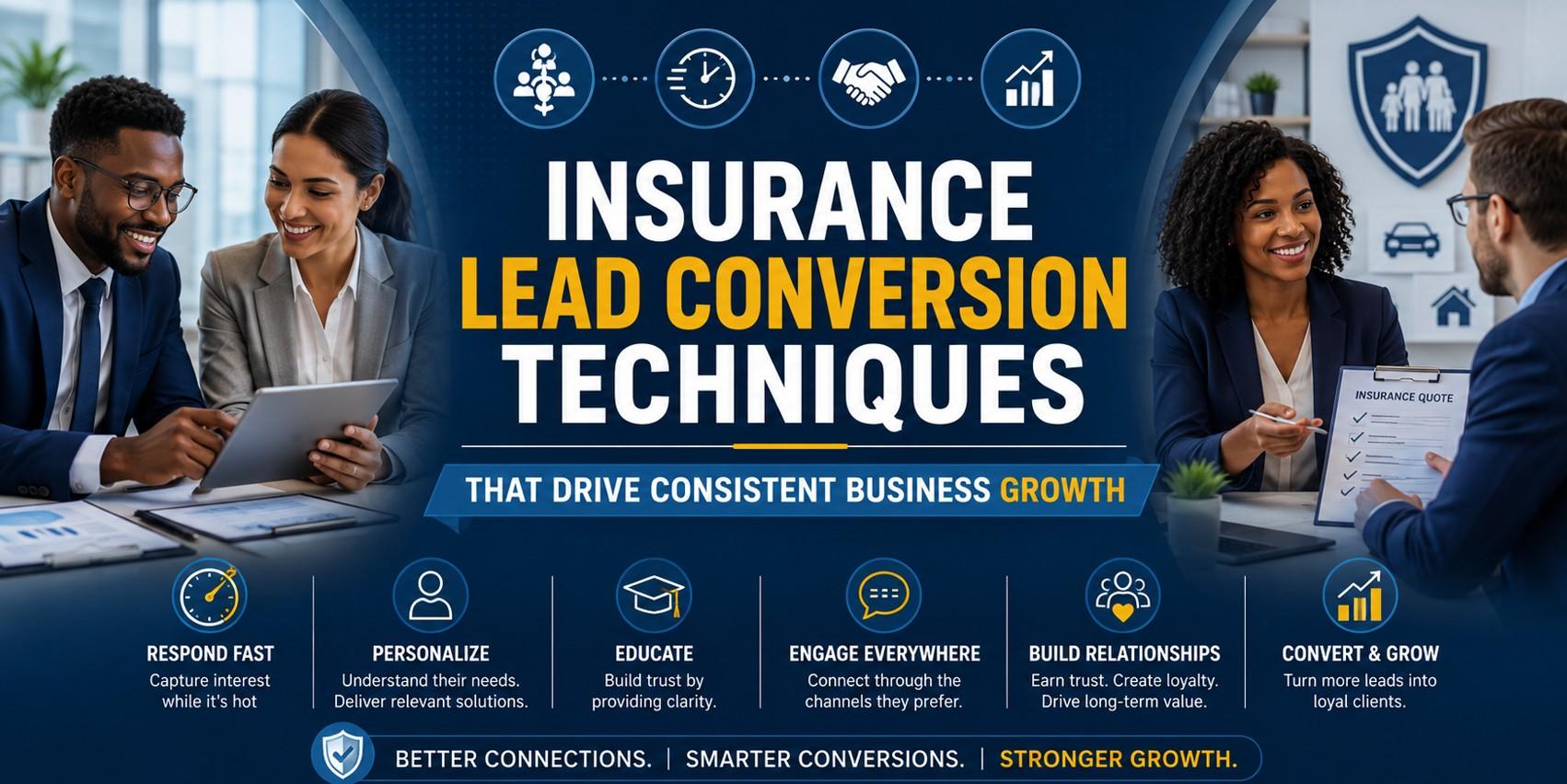
In today’s competitive insurance market, generating leads is only half the challenge. The real success lies in converting those leads into long term clients. Many insurance agencies invest heavily in marketing campaigns, paid advertising, and lead generation platforms, yet struggle to achieve meaningful conversion rates. The gap often comes down to strategy, communication, and customer experience.
Insurance buyers are more informed than ever before. They compare policies, research providers, and expect fast, personalized interactions. Businesses that understand how to nurture prospects effectively can significantly improve their sales performance and client retention.
This article explores practical insurance lead conversion techniques that help agencies build trust, improve engagement, and close more deals consistently.
Understand the Quality of Your Leads
Not every lead has the same value. One of the biggest mistakes insurance agencies make is treating every inquiry equally. High quality leads are typically those with genuine intent, a clear need, and financial readiness.
Segmenting leads based on behavior, demographics, and source can help sales teams prioritize their efforts. For example, a prospect requesting a quote for commercial insurance is likely further down the buying journey than someone simply downloading an informational guide.
Lead scoring systems can also improve efficiency. By assigning scores based on engagement level, communication history, and buying signals, agencies can focus on prospects most likely to convert.
Speed Matters in Lead Response
Timing plays a critical role in insurance sales. Research consistently shows that prospects are more likely to convert when contacted quickly after submitting an inquiry. Delayed responses often result in lost opportunities because prospects may move on to competitors.
Businesses should establish a rapid response system that includes automated acknowledgments and timely follow ups from sales representatives. Even a short delay can reduce engagement significantly.
A well structured workflow ensures every lead receives attention immediately. Automation tools can help manage this process without sacrificing personalization.
Personalize Every Interaction
Modern consumers expect tailored communication. Generic sales pitches rarely create meaningful connections. Insurance agencies that personalize their outreach stand out in crowded markets.
Personalization goes beyond using a prospect’s first name in an email. It involves understanding their needs, concerns, and goals. A family seeking life insurance requires a different conversation than a business owner searching for liability coverage.
Sales teams should use customer data to create relevant recommendations and customized policy discussions. Personalized communication builds trust and demonstrates genuine interest in helping the client.
Build Trust Through Education
Insurance products can be complex and confusing for many buyers. Prospects are more likely to convert when they feel informed and confident about their decisions.
Educational content is an effective conversion tool. Agencies can provide guides, webinars, FAQs, and case studies that explain coverage options in simple terms. Instead of focusing only on selling, businesses should focus on solving problems and answering questions.
When agencies position themselves as trusted advisors rather than aggressive sales organizations, prospects become more comfortable moving forward.
Use Multi Channel Communication
Different customers prefer different communication methods. Some respond quickly to phone calls, while others prefer email, text messaging, or social platforms.
Successful insurance agencies use a multi channel strategy to stay connected with prospects. Combining email campaigns, SMS reminders, phone consultations, and social engagement creates multiple touchpoints throughout the customer journey.
Consistency across channels is important. Messaging should remain professional, clear, and aligned with the agency’s brand identity.
Improve Follow Up Strategies
Many insurance sales opportunities are lost because businesses stop following up too early. Prospects often need multiple interactions before making a decision, especially for high value policies.
A structured follow up process increases conversion potential. Follow ups should provide value rather than simply asking for a decision. Sharing useful insights, policy comparisons, or market updates can keep prospects engaged without creating pressure.
The timing of follow ups also matters. Frequent communication may feel overwhelming, while long gaps can cause prospects to lose interest. Finding the right balance is essential.
Leverage CRM Technology
Customer Relationship Management systems are powerful tools for improving lead conversion. A reliable CRM allows insurance agencies to track interactions, monitor lead status, and automate repetitive tasks.
With CRM technology, businesses can identify conversion patterns, manage pipelines efficiently, and ensure no prospect is overlooked. Teams can also access customer histories quickly, making conversations more personalized and productive.
Data driven decision making becomes easier when agencies have clear visibility into lead behavior and sales performance.
Focus on Relationship Building
Insurance is a relationship driven industry. Clients want to work with professionals they trust, especially when discussing financial protection and risk management.
Strong relationships often lead to higher conversion rates and long term retention. Agencies should focus on active listening, empathy, and transparency during every interaction.
Rather than pushing immediate sales, successful advisors prioritize understanding the client’s concerns and offering suitable solutions. This consultative approach creates credibility and encourages long term loyalty.
Optimize Your Website for Conversion
An insurance agency’s website is often the first impression potential clients receive. A poorly designed website can reduce trust and increase bounce rates.
Businesses should ensure their websites are mobile friendly, easy to navigate, and optimized for lead generation. Clear calls to action, simple quote request forms, and informative content can improve user experience significantly.
Testimonials, client reviews, and trust signals also help reassure prospects. A professional online presence strengthens credibility and supports higher conversion rates.
Measure and Refine Your Conversion Process
Continuous improvement is essential for long term growth. Insurance agencies should regularly analyze conversion metrics to identify strengths and weaknesses.
Tracking key performance indicators such as response time, follow up rates, appointment bookings, and policy conversions can reveal valuable insights. Businesses that adapt based on data often outperform competitors relying on outdated sales methods.
Testing different messaging strategies, communication channels, and lead nurturing approaches can uncover what works best for specific audiences.
Conclusion
Insurance lead conversion is not about aggressive selling. It is about building trust, delivering value, and creating meaningful customer experiences. Agencies that combine fast response times, personalized communication, educational content, and strong relationship management are more likely to achieve sustainable growth.
As competition continues to increase, businesses must move beyond traditional sales tactics and embrace customer focused strategies. By refining conversion processes and leveraging technology effectively, insurance agencies can transform more prospects into loyal clients and strengthen their position in the market.
FAQs
What is insurance lead conversion?
Insurance lead conversion refers to the process of turning potential prospects into paying insurance clients through effective communication, follow ups, and sales strategies.
Why is fast response time important in insurance sales?
Quick responses increase the chances of connecting with interested prospects before competitors do. Faster engagement often leads to higher conversion rates.
How can CRM software improve insurance lead conversion?
CRM software helps agencies track customer interactions, automate follow ups, manage sales pipelines, and personalize communication more effectively.
What is the best way to build trust with insurance leads?
Providing educational content, transparent communication, and personalized recommendations helps establish credibility and long term trust with prospects.

 English
 Arabic
 French
 Portuguese
 Deutsch
 Turkish
 Dutch
Dutch
 Italiano
 Russian
 Romaian
 Portuguese (Brazil)
 Greek
Greek