


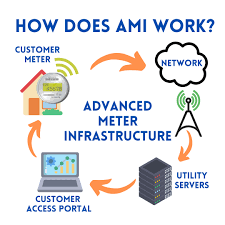
As decentralized energy resources such as residential solar panels, localized battery storage systems, and electric vehicle charging stations proliferate, traditional centralized grid architectures are struggling to maintain equilibrium. The influx of intermittent, multi-directional power flows requires an incredibly sophisticated management system capable of making split-second decisions at the edge of the network. Modern smart meters are evolving from simple billing devices into highly capable edge-computing nodes that can analyze localized power quality, detect voltage fluctuations, and automatically trigger balancing mechanisms without waiting for instructions from a centralized server. This localized intelligence is vital for preventing localized transformer overloads and ensuring that the surge in electric vehicle adoption does not compromise the structural integrity of residential distribution networks during peak evening charging hours.
This technological evolution is a primary catalyst behind the accelerating Advanced Metering Infrastructure Market growth, as utilities recognize that hardware alone cannot solve the complexities of modern grid management. The integration of advanced artificial intelligence algorithms within meter data management platforms allows utilities to disaggregate consumption data, effectively identifying specific appliance usage patterns from a single meter endpoint. This granular visibility enables utilities to offer highly personalized energy-saving recommendations to consumers, design hyper-targeted demand response programs, and predict localized equipment failures before they result in widespread blackouts. Consequently, the software and analytics segment of the industry is seeing unprecedented investment, transforming raw data streams into actionable operational intelligence that enhances overall grid resilience and customer satisfaction.
How do smart meters assist utilities in integrating renewable energy sources into the grid? Smart meters provide real-time, granular data on localized power generation and consumption, allowing utilities to manage the inherent intermittency of renewable sources like solar and wind. This data enables real-time adjustments in grid balancing, prevents over-voltage situations during peak generation hours, and facilitates the smooth distribution of clean energy across the network.
What is data disaggregation, and how does it benefit utility management systems? Data disaggregation is an analytical process that breaks down a household's total energy consumption data into individual appliance usage profiles using machine learning algorithms. This benefits utilities by allowing them to understand specific demand drivers, optimize energy efficiency campaigns, and offer tailored incentives to consumers to reduce load during critical peak periods.
➤➤➤Explore MRFR’s Related Ongoing Coverage In Semiconductor Industry:
Semiconductor Inspection System Market
Surface Mount Technology Equipment Market
Electro-Optic Modulators Market
Non-Destructive Testing Services Market

 English
 Arabic
 French
 Spanish
 Portuguese
 Deutsch
 Turkish
 Dutch
Dutch
 Italiano
 Russian
 Portuguese (Brazil)
 Greek
Greek