


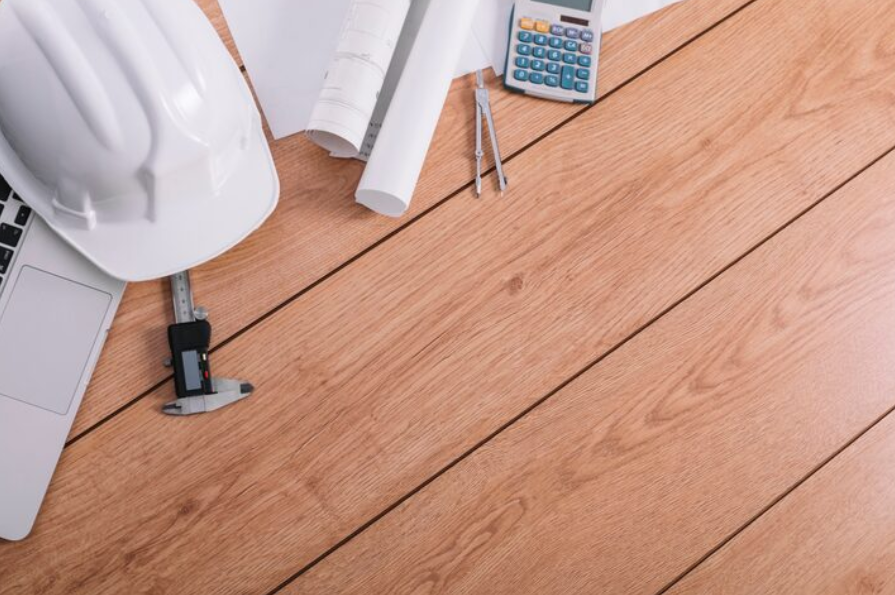
Hardwood flooring remains one of the most popular choices for homeowners who want beauty, durability, and long-term value. When planning a flooring project, one of the biggest decisions involves choosing between prefinished flooring and flooring that is finished after installation. Understanding the differences between these two options can help homeowners make the best decision based on their budget, timeline, and design preferences.
The debate over prefinished vs site finished hardwood floors continues because both options offer unique advantages. While some homeowners appreciate the convenience of factory-finished planks, others prefer the customized appearance that comes from finishing the floor on-site. Exploring the characteristics of each option provides a clearer understanding of what works best in different situations.
Understanding Prefinished Hardwood Flooring
Prefinished hardwood flooring arrives from the manufacturer with stain and protective coatings already applied. The planks are ready for installation immediately after delivery, reducing the amount of work required at the job site.
One of the primary benefits of prefinished flooring is convenience. Since the finish has already been applied in a controlled factory environment, installation can often be completed more quickly. Homeowners can enjoy their new floors sooner because there is no need to wait for sanding, staining, or curing.
Many manufacturers apply multiple layers of durable finish using advanced equipment. These finishes are often harder and more resistant to scratches than some site-applied coatings. This enhanced durability makes prefinished flooring attractive for busy households with children and pets.
Another advantage is consistency. Factory-applied stains and finishes are carefully controlled, resulting in a uniform appearance across every plank. Homeowners know exactly what color and finish they will receive before installation begins.
Understanding Site Finished Hardwood Flooring
Site finished flooring is installed in its unfinished state. Once the planks are secured, professionals sand the entire floor surface and apply stain and finish directly within the home.
This method offers a highly customized appearance. Homeowners can choose from a wider range of stain colors and finish types, allowing them to create a floor that perfectly matches their interior design vision.
Because the floor is sanded after installation, the finished surface appears smooth and continuous. There are no visible bevels between boards, creating a seamless and elegant look. Many homeowners prefer this traditional appearance, especially in luxury homes and custom renovation projects.
When discussing prefinished hardwood flooring vs finished on site, customization is often the deciding factor. Site finishing allows complete control over the final color, sheen level, and overall aesthetic.
Installation Time Comparison
One major difference between the two flooring methods is the installation timeline.
Prefinished flooring typically allows for faster project completion. Once the planks are installed, the floor is generally ready for light use immediately. There is no need for additional sanding or drying periods.
Site finished flooring requires several additional steps. Contractors must sand the entire surface, apply stain if desired, and then apply multiple coats of protective finish. Each coat requires drying time before the next can be applied.
For homeowners who need minimal disruption, the faster timeline associated with prefinished vs site finished hardwood floors may be an important consideration.
Appearance and Style
Visual appeal often plays a significant role in flooring decisions.
Prefinished boards frequently feature micro-beveled edges. These slight grooves help hide minor height differences between planks and contribute to easier installation. Some homeowners appreciate this detail because it highlights the natural character of individual boards.
Site finished flooring offers a smoother, uninterrupted appearance. Since the entire surface is sanded after installation, transitions between boards become nearly invisible. This creates a classic and refined look that many designers favor.
When comparing prefinished hardwood flooring vs finished on site, appearance preferences are highly personal. Some individuals enjoy the defined plank appearance of prefinished flooring, while others prefer the seamless elegance of site-finished floors.
Durability and Maintenance
Durability is a critical factor for any flooring investment.
Factory finishes often contain advanced protective coatings designed to withstand heavy foot traffic. These finishes are cured under specialized conditions that are difficult to replicate on-site.
However, site-applied finishes have improved significantly over the years. Modern finishing systems provide excellent protection and can perform exceptionally well when properly maintained.
Maintenance requirements for both options are generally similar. Regular sweeping, prompt cleanup of spills, and the use of protective furniture pads help preserve the floor’s appearance.
Although factory finishes may provide a slight advantage in resistance to wear, proper care remains the most important factor in extending the life of any hardwood floor.
Cost Considerations
Budget often influences flooring decisions.
Prefinished flooring may have a higher material cost because the finishing work has already been completed at the factory. However, labor costs can be lower because installation is faster and requires fewer on-site procedures.
Site finished flooring may involve additional labor expenses due to sanding, staining, and finishing. The extended project timeline can also contribute to overall costs.
The total expense depends on factors such as wood species, project size, local labor rates, and finish selection. Homeowners should evaluate the complete project rather than focusing solely on material pricing.
Indoor Air Quality and Convenience
Another important factor is indoor air quality during installation.
Prefinished flooring generally creates less dust and fewer odors because finishing occurs before the product arrives at the home. This can be beneficial for families seeking a cleaner installation experience.
Site finishing generates sanding dust and may involve temporary odors from stains and protective coatings. While modern dust-control systems and low-odor products have improved the process, some disruption is still expected.
For homeowners who want a quicker and cleaner installation, the discussion of prefinished vs site finished hardwood floors often favors prefinished options.
Repair and Refinishing Potential
Over time, hardwood floors may require refinishing to restore their appearance.
Site finished floors are often easier to refinish because the surface is completely smooth and continuous. Sanding and recoating can be performed uniformly across the entire floor.
Prefinished flooring can also be refinished, but the beveled edges may require additional attention during the process. Nevertheless, quality prefinished floors still offer excellent longevity and can often be renewed multiple times throughout their lifespan.
When evaluating prefinished hardwood flooring vs finished on site, homeowners should consider their long-term maintenance plans and expectations.
Which Option Is Best?
The ideal flooring choice depends on individual priorities.
Prefinished flooring may be the better solution for homeowners who value quick installation, minimal disruption, and strong factory-applied durability. It is especially appealing for occupied homes where reducing project time is important.
Site finished flooring may be preferable for homeowners seeking maximum customization and a seamless appearance. The ability to create a unique stain color and finish can be highly valuable in custom home projects.
The choice between prefinished vs site finished hardwood floors is not about determining which option is universally superior. Instead, it involves identifying which solution best aligns with specific needs, lifestyle requirements, and design goals.
Conclusion
Hardwood flooring remains a timeless investment that enhances both comfort and property value. Understanding the differences between factory-finished and site-finished options helps homeowners make informed decisions. The comparison of prefinished hardwood flooring vs finished on site highlights important considerations such as installation speed, appearance, durability, maintenance, and customization.
Whether choosing prefinished flooring for convenience or site finished flooring for personalized beauty, both options can provide decades of performance and visual appeal. By carefully evaluating project priorities, homeowners can confidently select the hardwood flooring solution that best complements their home and lifestyle.

 English
 Arabic
 French
 Spanish
 Portuguese
 Turkish
 Dutch
Dutch
 Italiano
 Russian
 Romaian
 Portuguese (Brazil)
 Greek
Greek