


A New Foundation for an Aging System
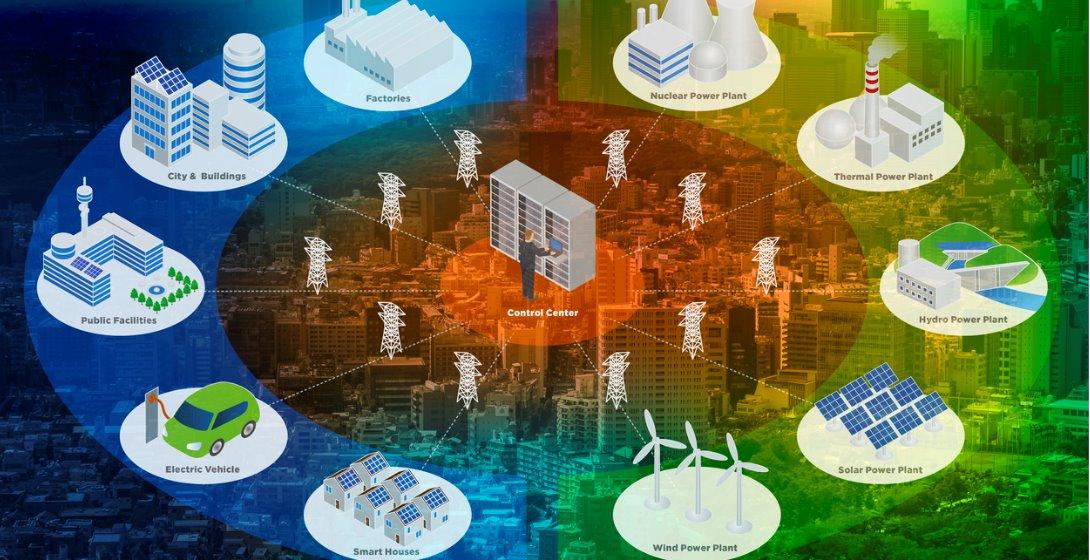
The global energy infrastructure, much of which was built in the 20th century, is undergoing its most profound transformation in over a hundred years. The global Smart Grid industry is at the heart of this revolution, representing a massive, multi-decade effort to modernize the traditional electrical grid. The old grid was a one-way street, designed to push power from large, centralized power plants out to passive consumers. In contrast, a smart grid is a dynamic, intelligent, and highly automated energy network that uses digital technology to enable a two-way flow of both electricity and information. By layering a sophisticated communications and IT infrastructure over the existing power lines, a smart grid can monitor energy flow in real time, predict and respond to issues automatically, and integrate a diverse array of new energy sources and demands. This shift is not merely an upgrade; it is a fundamental reimagining of how we generate, distribute, and consume electricity, creating a more efficient, reliable, and sustainable energy future for everyone.
The Core Components
The smart grid is not a single product but a complex system of systems, composed of several key technological components working in concert. At the edge of the grid is Advanced Metering Infrastructure (AMI), which replaces old analog meters with smart meters. These devices enable two-way communication between the utility and the customer, providing real-time energy usage data and allowing for remote service shut-offs and connections. Further into the network, Grid Automation is critical. This includes Distribution Automation, which uses intelligent sensors and automated switches (like reclosers) on power lines to automatically detect and isolate faults, rerouting power to minimize the scope and duration of outages. It also includes Substation Automation, which digitizes the control and monitoring functions within electrical substations. Supporting all of this is an Advanced Communication Network, a robust and secure network (using fiber, wireless, or power-line carrier) that serves as the central nervous system for the grid. Finally, all the data is brought together and managed by integrated Software Platforms, such as a Distribution Management System (DMS) or a Meter Data Management System (MDMS), which provide operators with the visibility and control needed to manage the complex network.
Key Players and Ecosystem
The smart grid ecosystem is a diverse and collaborative field, bringing together a wide range of companies with different areas of expertise. At the foundation are the traditional, large-scale industrial and utility equipment manufacturers, such as Siemens, General Electric (GE), Schneider Electric, and ABB. These giants leverage their long-standing relationships with utilities and their vast portfolios of grid hardware, from transformers and switchgear to the sophisticated software platforms that manage the grid. Alongside them are major IT and Enterprise Software companies like Oracle, IBM, and SAP. These players focus on the data-intensive aspects of the smart grid, providing the Meter Data Management Systems (MDMS), asset management software, and big data analytics platforms that are crucial for processing the tsunami of data generated by smart meters. A third critical group is the Communication Technology Providers, including companies like Cisco and Itron, which provide the secure networking infrastructure and the smart meters that form the backbone of the grid's communication layer. This ecosystem is further enriched by a host of specialized startups focusing on niche areas like cybersecurity, demand response, and DERMS (Distributed Energy Resource Management Systems).
The "Why Now?" Imperative
The global push to build smart grids is driven by a powerful confluence of pressing challenges and new opportunities, creating a "why now?" imperative for utilities and governments worldwide. Firstly, much of the world's existing grid infrastructure is aging and desperately in need of modernization to ensure reliability. Secondly, global energy demand continues to rise, driven by population growth and economic development, placing increasing strain on the old system. The most significant driver, however, is the urgent need to decarbonize our energy supply. The massive influx of intermittent renewable energy sources, such as wind and solar, cannot be effectively managed by the traditional grid, which was not designed for a two-way flow of power or for handling such variability. A smart grid is essential for integrating these clean energy resources. Furthermore, the rise of new demands, like the widespread adoption of electric vehicles (EVs), requires intelligent load management to prevent the grid from being overwhelmed. This combination of aging assets, rising demand, and the clean energy transition makes the smart grid a non-negotiable next step in our energy evolution.
Top Trending Reports:

 English
 French
 Spanish
 Portuguese
 Deutsch
 Turkish
 Dutch
Dutch
 Italiano
 Russian
 Romaian
 Portuguese (Brazil)
 Greek
Greek