


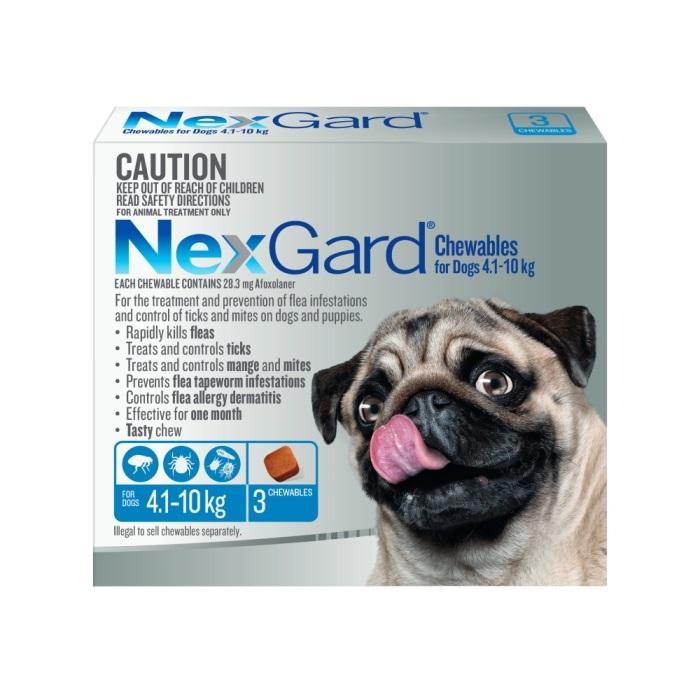
Flea and tick prevention is an essential part of maintaining a dog's health and comfort. Parasites can cause skin irritation, allergic reactions, and may even transmit diseases that affect a dog's overall well-being. Among the available preventive treatments, Nexgard for dogs is a widely recognized oral option used to help protect against common external parasites.
Understanding how Nexgard for dogs works, when it is used, and the safety considerations associated with it allows pet owners to make informed decisions in consultation with a veterinarian. This guide explores the purpose, benefits, possible side effects, and best practices related to Nexgard for dogs.
What Is Nexgard for Dogs?
Nexgard for dogs is a chewable oral medication designed to treat and prevent flea and tick infestations. Instead of being applied to the skin like topical treatments, it is given by mouth, making it a convenient option for many dogs.
The medication belongs to a class of compounds called isoxazolines, which target the nervous systems of fleas and ticks. Once administered, the active ingredient circulates in the dog's bloodstream. Parasites are exposed to the medication when they bite the dog, leading to their elimination.
How Does Nexgard for Dogs Work?
After the chewable tablet is consumed, the medication is absorbed into the dog's body. Fleas and ticks ingest the active ingredient during feeding. The compound interferes with the parasites' nervous systems, resulting in paralysis and death.
Although parasites must attach to the dog before being affected, the treatment is intended to eliminate them quickly enough to reduce infestations and minimize the risk of prolonged feeding.
Regular monthly dosing helps maintain continuous protection throughout the year.
What Parasites Does Nexgard for Dogs Target?
Nexgard for dogs is commonly used to protect against several external parasites, including:
- Fleas
- Black-legged ticks
- American dog ticks
- Lone star ticks
- Brown dog ticks
The specific tick species covered may vary based on veterinary recommendations and product labeling in different regions of the United States. Local parasite risks often influence the preventive care plan recommended by veterinarians.
Benefits of Nexgard for Dogs
Many veterinarians recommend year-round parasite prevention because fleas and ticks can remain active during different seasons. Some commonly recognized benefits of Nexgard for dogs include:
Convenient Oral Administration
Since the medication is given as a chew, there is no need to apply liquids to the dog's skin. This can be particularly useful for dogs that swim frequently or are bathed regularly.
Monthly Protection
One dose typically provides protection for approximately 30 days when administered according to veterinary instructions. Maintaining a consistent schedule helps reduce the likelihood of flea and tick infestations.
Effective Flea Control
Prompt elimination of fleas helps reduce itching, flea allergy dermatitis, and the spread of fleas within the home. Effective flea control also limits the flea life cycle by reducing the number of adult fleas capable of reproducing.
Tick Management
Ticks can transmit various diseases to dogs. Regular use of Nexgard for dogs may reduce exposure to ticks by eliminating them after they attach. However, no preventive medication can guarantee complete protection against every tick-borne disease.
How Often Should Nexgard for Dogs Be Given?
Nexgard for dogs is generally administered once every 30 days. Monthly dosing helps maintain continuous protection against fleas and ticks throughout the year.
Veterinarians often recommend giving each dose on the same day every month to help maintain a consistent routine. Missing doses may leave a dog vulnerable to parasite infestations.
If a scheduled dose is forgotten, pet owners should contact their veterinarian for guidance on when to administer the next dose.
Is Nexgard for Dogs Safe?
When prescribed and used according to veterinary directions, Nexgard for dogs is considered safe for many healthy dogs. Before recommending treatment, veterinarians evaluate several factors, including:
- Age
- Body weight
- Overall health
- Existing medical conditions
- Current medications
- History of neurological disorders
Using the correct dosage based on body weight is important for both effectiveness and safety.
Possible Side Effects
Most dogs tolerate Nexgard for dogs without significant problems, but side effects can occur in some cases.
Reported side effects may include:
- Vomiting
- Diarrhea
- Reduced appetite
- Lethargy
- Itching
Less commonly, neurological reactions such as tremors, loss of coordination, or seizures have been reported with medications in the isoxazoline class. Dogs with a history of seizures or neurological conditions should only receive treatment after veterinary evaluation.
If any unusual symptoms develop after administration, prompt veterinary attention is recommended.
Which Dogs May Require Extra Caution?
Although many dogs use Nexgard for dogs safely, certain situations require additional veterinary assessment.
Extra caution may be appropriate for dogs that have:
- A history of seizures
- Neurological disorders
- Known sensitivity to medication ingredients
- Chronic health conditions requiring multiple medications
Puppies should only receive the medication if they meet the recommended minimum age and weight requirements established by the prescribing veterinarian.
Tips for Administration
Many dogs readily accept chewable medications, but some may need encouragement. Helpful administration practices include:
- Offer the chew directly by hand.
- Give it with food if recommended by the veterinarian.
- Ensure the complete dose is consumed.
- Observe the dog for a short period after administration.
Pet owners should never divide, crush, or modify the prescribed dose unless specifically instructed by a veterinary professional.
Why Ongoing Parasite Prevention Matters
Fleas and ticks are more than a seasonal inconvenience. Infestations can lead to persistent itching, skin infections, allergic reactions, and, in some cases, serious illnesses transmitted by parasites.
Routine parasite prevention, regular veterinary checkups, and environmental management work together to reduce these risks. Maintaining clean living spaces, checking dogs for ticks after outdoor activities, and keeping yards well maintained are additional preventive measures that support overall canine health.
When to Contact a Veterinarian
Veterinary advice should be sought if:
- Severe vomiting or diarrhea occurs after administration.
- Neurological symptoms such as tremors or seizures develop.
- Flea or tick infestations continue despite regular monthly use.
- An incorrect dose is given.
- A dog accidentally consumes more than the prescribed amount.
Timely veterinary evaluation can help determine the most appropriate course of action.
Conclusion
Nexgard for dogs is an oral flea and tick preventive that provides monthly protection against several common external parasites. Its chewable form offers an alternative to topical treatments and is commonly included in preventive veterinary care plans.
While many dogs tolerate the medication well, individual health conditions, age, weight, and medical history should always be considered before use. Consistent administration, regular veterinary guidance, and a comprehensive parasite prevention plan can help support a dog's long-term health while reducing the risks associated with fleas and ticks.

 English
 Arabic
 French
 Spanish
 Portuguese
 Deutsch
 Turkish
 Dutch
Dutch
 Italiano
 Russian
 Romaian
 Portuguese (Brazil)