


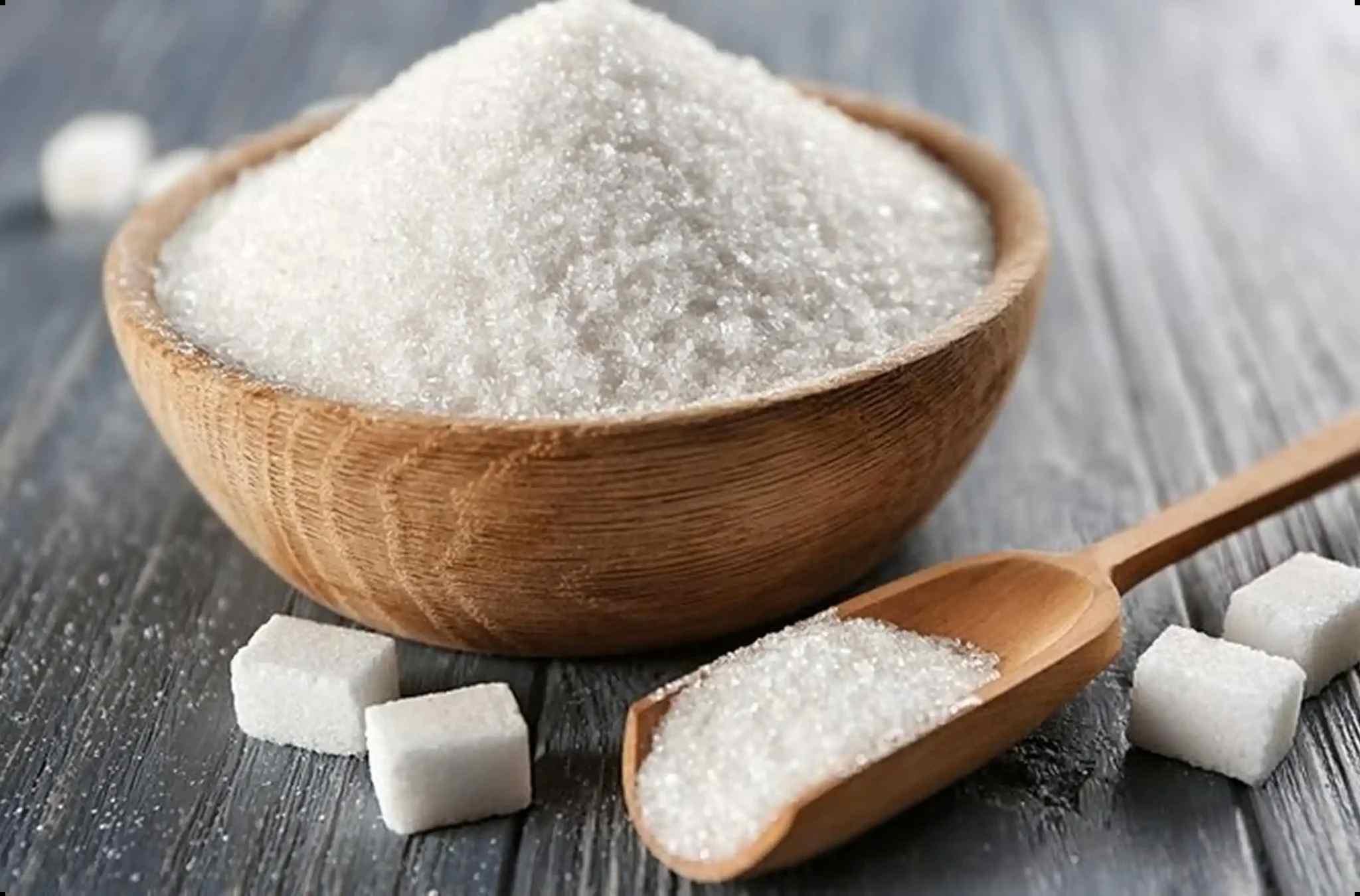
If you've ever tried sourcing bulk organic sugar for a food business, restaurant chain, or export order, you already know the frustration. Dozens of suppliers claim to be "organic." Very few can actually prove it with paperwork that survives an audit. Prices swing wildly between vendors for what's supposedly the same product, and buyers are often left guessing whether what arrives in the container will match the sample they were sent.
This confusion isn't accidental; it's a symptom of an industry that's growing faster than its own quality infrastructure. And it's exactly why more buyers, both in India and overseas, are now spending real time vetting every organic sugar manufacturer in India before they sign a purchase order, instead of simply picking whoever quotes the lowest price.
Why Does India Have a Natural Edge in This Market?
India is the world's second-largest sugarcane producer, and certain belts, particularly parts of Uttar Pradesh, Maharashtra, and Karnataka, have soil and rainfall conditions well suited to cane farming without heavy chemical dependence. Many smallholder farms in these regions historically used fewer synthetic inputs simply because of cost, which has made their transition into certified organic farming smoother than in more input-heavy agricultural economies.
This is precisely the kind of environment where a genuine organic sugar manufacturer in India can build a supply chain around quality rather than chasing one-off export deals.
The Global Demand Curve Doesn't Lie
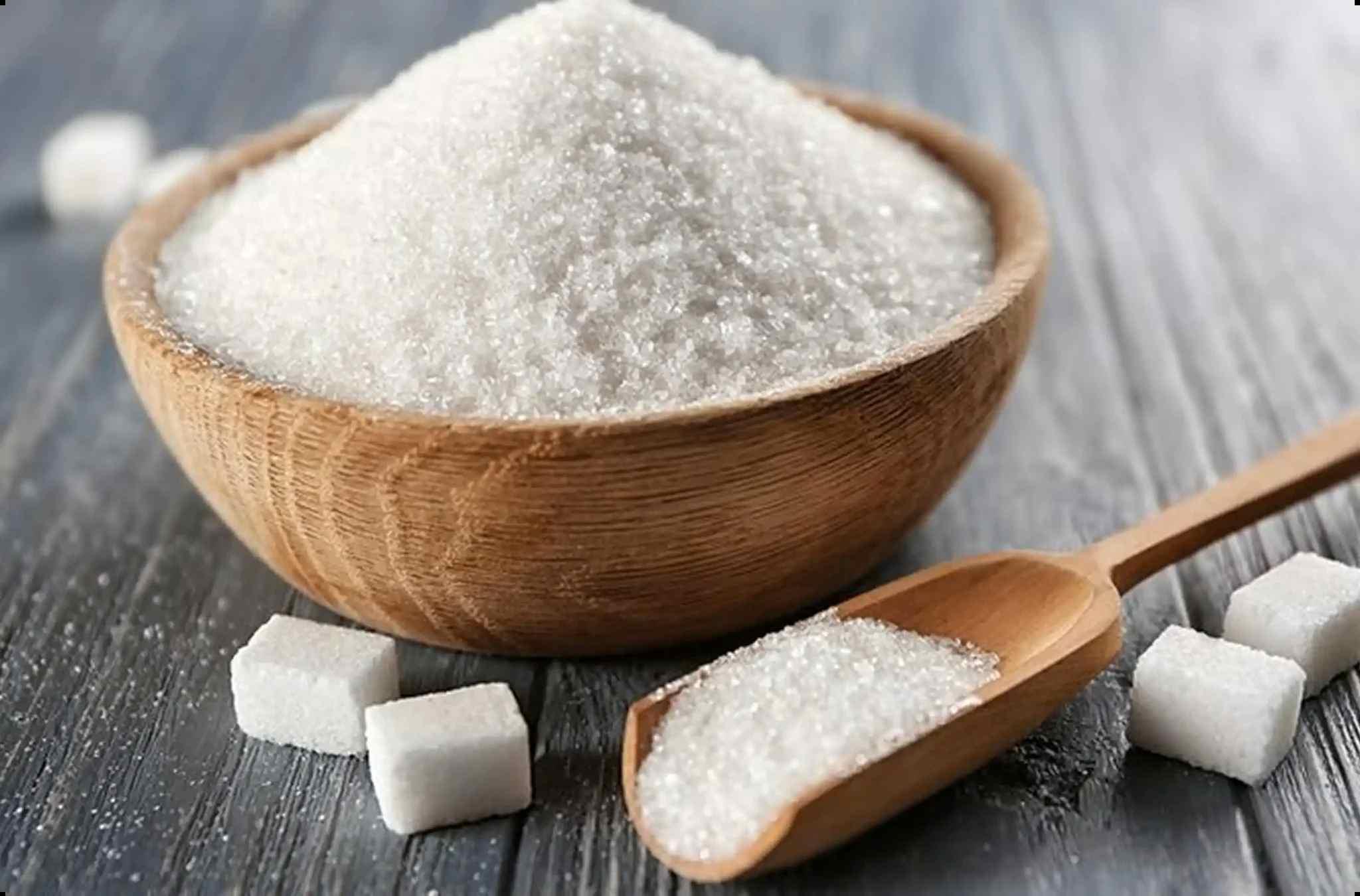
Market research from agricultural trade bodies puts the global organic sugar market at roughly USD 900–950 million in recent years, with projections of 8%+ annual growth through the next decade. That growth is being pulled by three forces at once: health-conscious consumers avoiding heavily processed sweeteners, food brands under pressure to show clean, traceable ingredient sourcing, and stricter import rules in the EU, US, and Japan around pesticide residue limits.
Here's the catch: sugarcane isn't a crop you can convert to organic overnight. Farms typically need a three-year transition period without synthetic fertilizers or pesticides before they even qualify to apply for certification.
Agrizo India has grown within this environment by prioritizing long-term farmer relationships and consistent processing standards over quick, opportunistic sales, a distinction that matters enormously once a buyer is placing repeat orders.
What to Check Before Choosing a Supplier?
Before shortlisting an organic sugar manufacturer in India, most experienced buyers run through the same five checks:
1. Verifiable certification
Look for recognized marks like India Organic (NPOP), USDA Organic, or EU Organic, and ask for the actual certificate numbers so you can cross-check them against the issuing body's database.
2. Farm-to-factory traceability
Can the supplier trace a specific batch back to the farm cluster it came from? This matters for food safety audits and for brands that want an honest sourcing story.
3. Processing method
Organic sugar can be minimally processed (retaining some molasses, closer to jaggery or demerara sugar) or more refined while still avoiding synthetic aids like sulfur dioxide. Knowing which one you're buying changes how it performs in your end product.
4. Batch-to-batch consistency
Agriculture varies naturally, but a mature manufacturer invests in blending and quality control so moisture, crystal size, and color don't shift unpredictably between shipments.
5. Export documentation experience
Suppliers who've actually handled phytosanitary certificates, FSSAI approvals, and international shipping paperwork save overseas buyers a huge amount of back-and-forth.
A Real-World Example Worth Noting
Consider a mid-sized natural food brand in the UK reformulating its granola bars to use organic sugar instead of refined white sugar. Its biggest challenge wasn't finding a supplier; plenty exist. It was finding one that could guarantee certification consistency across twelve months of repeat orders, provide lab reports proving the absence of pesticide residue and heavy metals, and still hold competitive per-tonne pricing.
This scenario plays out constantly across the food manufacturing world, and it explains why sourcing decisions increasingly come down to documentation and reliability rather than price alone. This is an area where Agrizo India's organic sugar division has focused real operational investment, pairing certified sourcing with export-ready paperwork so buyers can move through their own compliance checks faster, something not every organic sugar manufacturer in India can consistently offer.
Features Serious Buyers Should Expect
Working with Agrizo India, or with any similarly established organic sugar manufacturer in India, generally means access to:
-
Certified organic sugarcane sourced from documented farm clusters
-
Batch-level traceability from farm to final packaging
-
Lab-tested product free from synthetic pesticide and chemical residues
-
Consistent grain size, color, and moisture across bulk orders
-
Support with phytosanitary and export quality certificates
-
Flexible packaging for B2B, private label, or retail-ready supply
-
Transparent, responsive communication throughout the order timeline
These aren't extras; they're the baseline any buyer in a regulated food supply chain should expect today, whether the order is domestic or international.
FAQs
Q1: What actually makes sugar "organic" versus regular sugar?
Organic sugar comes from sugarcane grown without synthetic fertilizers, pesticides, or GMOs and is usually processed without chemical refining aids like sulfur dioxide. Certification bodies verify both the farming and the processing stages.
Q2: Is organic sugar nutritionally different from regular sugar?
Because it's often less refined, organic sugar can retain trace minerals and a touch of molasses, giving it a slightly different color and flavor. It should still be used in moderation like any added sugar.
Q3: How can a buyer verify that an organic sugar manufacturer in India is genuinely certified?
Ask directly for certification numbers and cross-check them against the issuing body's public directory, NPOP or USDA Organic, for example. A credible supplier will hand this over without hesitation.
Q4: What's a typical minimum order quantity for bulk exports?
This varies by manufacturer and packaging format, but most B2B suppliers structure pricing around container-load quantities, with some flexibility for smaller trial orders from new buyers.
Q5: Why are more international brands sourcing organic sugar from India specifically? Large-scale cane cultivation, maturing certification infrastructure, and competitive processing costs all make Indian supply attractive, provided buyers do proper due diligence on the individual manufacturer.
Conclusion
Organic sugar has moved well past niche status; it's a fast-growing category where documentation and consistency matter just as much as the product itself. For any brand, wholesaler, or importer comparing suppliers, the smarter move is prioritizing manufacturers who can prove their certification chain end-to-end rather than simply claim it.
If you're currently reviewing sourcing partners, it's worth taking a closer look at how an established organic sugar manufacturer in India like Agrizo India structures its certification, testing, and logistics process; it could save considerable time in your own vendor evaluation.
For more information visit here: https://agrizoindia.com/organic-sugar/
Connect with Us
Facebook: https://www.facebook.com/profile.php?id=61591924923469
Instagram: https://www.instagram.com/agrizo_india/

 English
 French
 Spanish
 Portuguese
 Deutsch
 Turkish
 Dutch
Dutch
 Italiano
 Russian
 Romaian
 Portuguese (Brazil)
 Greek
Greek