


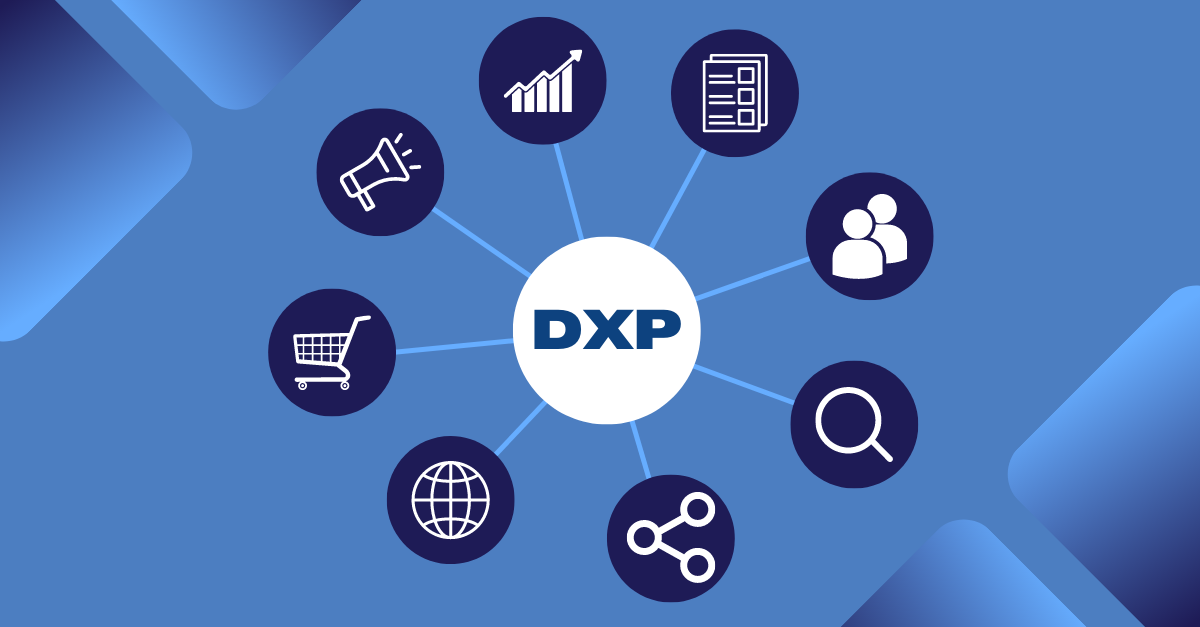
The world of digital customer experience is in a constant state of flux, with customer expectations and technological capabilities evolving at a dizzying pace. To understand the future of this dynamic market, it is essential to analyze the key Digital Experience Platform Market Trends that are defining the next generation of DXP solutions. These trends reveal a clear progression from monolithic, channel-specific systems to more agile, intelligent, and data-driven platforms capable of orchestrating hyper-personalized journeys across any touchpoint. The overarching theme is the move towards a more flexible, AI-powered, and privacy-conscious architecture. These developments are not just adding new features; they are fundamentally reshaping the way businesses build and manage their entire digital ecosystem.
The most significant architectural trend is the definitive shift towards "composable" and "headless" architectures. The traditional DXP was a monolithic suite where the back-end (content and data) was tightly coupled to the front-end (the website presentation layer). A headless DXP decouples these layers, managing content and data through a central, API-first hub that can deliver it to any front-end or "head"—be it a website, a mobile app, a smartwatch, a voice assistant, or an in-store kiosk. This "composable" approach allows businesses to pick and choose best-in-class microservices for different functions (e.g., a headless CMS, a headless commerce engine, a separate personalization tool) and stitch them together, offering far greater flexibility and future-proofing than a single-vendor suite. This trend is a direct response to the explosion of new digital channels and the need for greater business agility.
Another powerful and pervasive trend is the deep infusion of Artificial Intelligence (AI) and machine learning across the entire DXP stack. AI is no longer a bolt-on feature; it is a core capability. It is being used to power sophisticated personalization and recommendation engines that can predict user intent and deliver the most relevant content or product in real-time. Generative AI is being integrated to automate the creation of marketing copy, product descriptions, and even images, dramatically accelerating content production. AI is also used for advanced analytics, such as customer journey analysis and predictive lead scoring. This trend is transforming the DXP from a passive content delivery system into an intelligent, self-optimizing engine for customer engagement.
Finally, a critical trend that is reshaping DXP strategy is the growing focus on data privacy and the transition to a "first-party data" world. With the deprecation of third-party cookies and the rise of stricter privacy regulations like GDPR and CCPA, the ability for brands to track users across the web is diminishing. This has made the DXP's ability to collect and manage first-party data (data that a customer willingly shares with a brand) absolutely critical. This is driving the rapid adoption of Customer Data Platforms (CDPs) as the central brain of the DXP. A CDP unifies first-party customer data from all touchpoints into a single, persistent profile that can then be used to power personalization in a privacy-compliant way. This shift to a first-party data strategy is not just a trend; it is a fundamental requirement for the future of digital marketing.
Top Trending Reports:
Managed Database Service Market

 English
 Arabic
 French
 Spanish
 Portuguese
 Deutsch
 Turkish
 Dutch
Dutch
 Italiano
 Romaian
 Portuguese (Brazil)
 Greek
Greek