


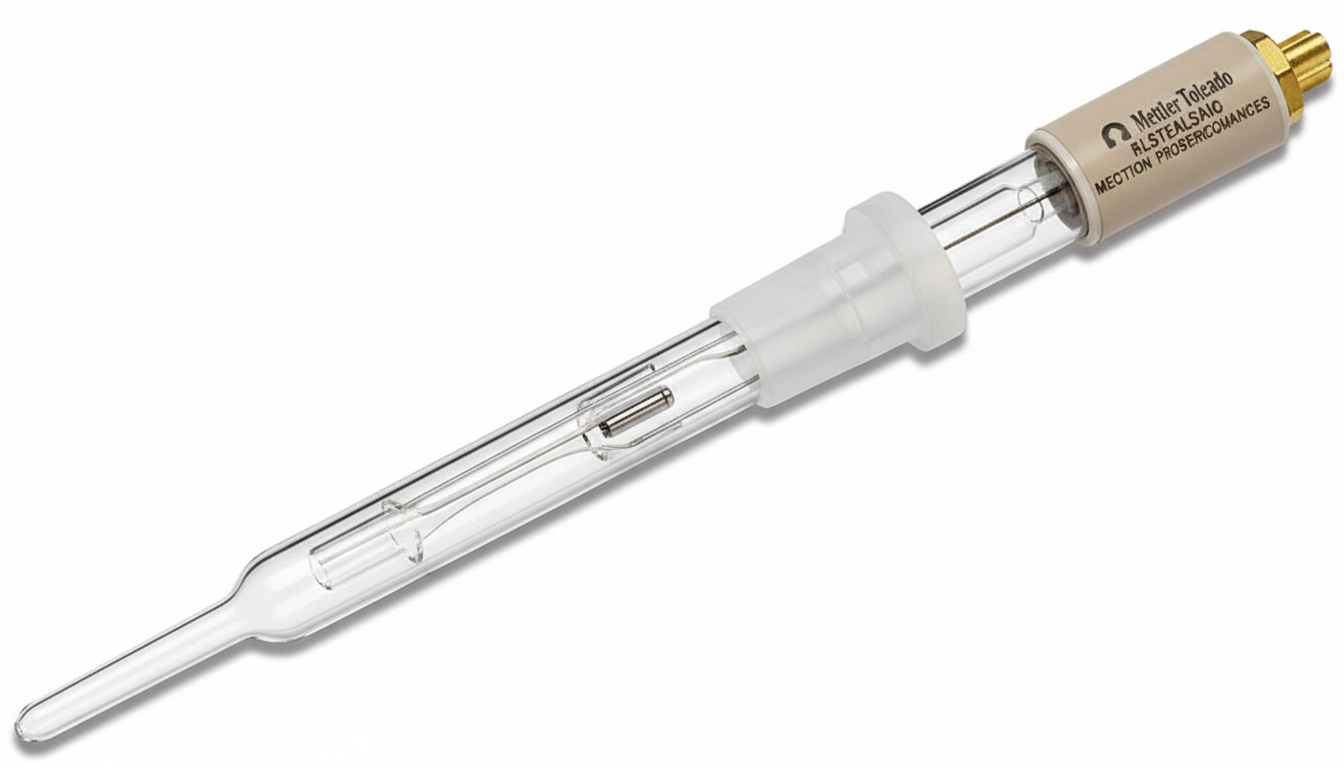
The R501 reference electrode is an important device used in electrochemical analysis and scientific measurements. It provides a stable and constant reference potential that helps in measuring the voltage of other electrodes accurately. In laboratories and industries, precise electrochemical measurements are very important, and the R501 reference electrode plays a key role in ensuring reliable results. It is commonly used in pH testing, corrosion studies, and battery research because of its high stability and consistent performance.
What is an R501 Reference Electrode?
The R501 reference electrode is a specialized electrochemical electrode designed to maintain a fixed electrical potential. Unlike working electrodes, it does not actively participate in chemical reactions during testing. Instead, it acts as a stable reference point that allows scientists and engineers to compare and measure electrode potentials accurately. This electrode is widely used in analytical chemistry, environmental testing, and industrial electrochemical systems where accurate voltage measurement is necessary.
Structure of R501 Reference Electrode
The structure of the R501 reference electrode is carefully designed to provide long-term stability and accurate performance. It usually contains an internal reference element made from silver/silver chloride or similar materials that generate a stable potential. Inside the electrode, there is also an electrolyte solution, commonly potassium chloride, which maintains ionic conductivity. A porous junction connects the internal solution with the external testing environment, allowing ion exchange while minimizing contamination. The outer body is made from durable chemical-resistant materials for long operational life.
Working Principle of R501 Reference Electrode
The working principle of the R501 reference electrode is based on maintaining a constant electrochemical potential. When the electrode is placed in a solution, ions move through the porous junction to create electrical continuity. Because the internal reference system is stable, the electrode potential remains nearly constant even when the surrounding environment changes. This constant potential is then used as a comparison point for measuring the voltage of the working electrode in electrochemical experiments and industrial applications.
Importance of Stable Reference Potential
A stable reference potential is extremely important in electrochemical measurements because even small voltage variations can affect experimental accuracy. The R501 reference electrode ensures that measurements remain reliable and reproducible over time. This stability is essential in scientific research, industrial monitoring, and laboratory analysis. Without a dependable reference electrode, electrochemical systems would produce inconsistent and unreliable data, making accurate analysis impossible.
Applications of R501 Reference Electrode
The R501 reference electrode is widely used in many scientific and industrial fields. In pH meters, it helps determine the acidity or alkalinity of solutions with high precision. In corrosion studies, it measures the electrochemical behavior of metals and protective coatings. It is also used in battery research, fuel cell development, and electrochemical sensors. Environmental laboratories use it for water testing and pollution analysis, while industrial plants use it to monitor chemical processes and quality control systems.
Role in pH Measurement
In pH measurement systems, the R501 reference electrode works alongside a glass electrode to determine hydrogen ion concentration in solutions. The stable reference potential provided by the electrode allows the pH meter to calculate accurate readings. This is important in industries such as food processing, pharmaceuticals, water treatment, and chemical manufacturing where precise pH control is necessary. The electrode’s reliability helps ensure product quality and safe industrial operations.
Use in Corrosion Analysis
Corrosion analysis is another major application of the R501 reference electrode. Engineers use it to study how metals react in different environmental conditions. By comparing metal potential against the stable reference electrode, corrosion rates and protective coating performance can be measured accurately. This information is important for preventing structural damage in pipelines, bridges, ships, and industrial equipment. The R501 reference electrode helps industries reduce maintenance costs and improve material durability.
Features of R501 Reference Electrode
The R501 reference electrode offers several important features that make it suitable for electrochemical analysis. It provides excellent potential stability, low signal drift, and reliable performance over long periods. The electrode is compatible with various electrochemical systems and works effectively in laboratory and industrial conditions. Its durable construction ensures resistance to chemical damage, while its low maintenance requirements make it practical for continuous use. These features contribute to accurate and repeatable measurement results.
Advantages of R501 Reference Electrode
One of the biggest advantages of the R501 reference electrode is its ability to provide highly accurate and stable voltage measurements. It improves the reliability of electrochemical experiments and industrial monitoring systems. The electrode is also durable and easy to use, making it suitable for both research and commercial applications. Another advantage is its compatibility with different analytical instruments and testing methods. With proper maintenance, it can provide long-term performance and reduce operational costs.
Limitations of R501 Reference Electrode
Despite its many benefits, the R501 reference electrode also has certain limitations. The internal electrolyte solution may require periodic replacement to maintain proper functioning. The porous junction can become blocked due to contamination, which affects measurement accuracy. It is also sensitive to extreme temperatures and harsh chemical conditions. In some applications, improper storage or handling can reduce the lifespan of the electrode and lead to unstable readings.
Maintenance of R501 Reference Electrode
Proper maintenance is essential for ensuring the long-term accuracy and reliability of the R501 reference electrode. The electrode should always be stored in a suitable storage solution to prevent the junction from drying out. Regular cleaning helps remove contamination that may affect performance. Calibration should also be performed periodically to maintain accurate measurements. Careful handling is important because physical damage to the porous junction or internal components can reduce efficiency and shorten operational life.
Safety Considerations
When using the R501 reference electrode, safety precautions should always be followed. Users should avoid direct contact with internal electrolyte solutions and wear protective gloves when handling the electrode. The device should be stored away from extreme temperatures and chemical contamination. Proper disposal methods must also be followed according to laboratory and environmental safety standards. These precautions help maintain both user safety and electrode performance.
Future Importance of R501 Reference Electrode
The future importance of the R501 reference electrode is expected to grow as electrochemical technologies continue to advance. Modern industries increasingly rely on accurate electrochemical measurements in areas such as renewable energy, battery technology, and environmental monitoring. Researchers are also developing improved reference electrode systems with enhanced stability and longer operational life. The R501 reference electrode will continue to play a key role in scientific innovation and industrial process control.
Conclusion
The R501 reference electrode is a highly important tool used in electrochemical measurements and analytical systems. Its ability to maintain a stable reference potential makes it essential for accurate voltage analysis in laboratories and industries. From pH testing and corrosion studies to battery research and environmental analysis, the electrode supports a wide range of applications. With proper maintenance and careful handling, the R501 reference electrode provides reliable long-term performance and continues to be a valuable component in modern electrochemical technology.

 English
 Arabic
 French
 Spanish
 Portuguese
 Deutsch
 Turkish
 Dutch
Dutch
 Italiano
 Romaian
 Portuguese (Brazil)
 Greek
Greek